I was halfway through a Sunday dinner when the kitchen turned into a culinary battlefield. The skillet hissed, the sausage tried to escape, and the butternut squash was about to become a sad, caramelized mess. I stared at the chaos and thought, “If I can tame this, I can create a masterpiece.” The moment my eyes caught the golden edges of the sausage, I knew I was about to rewrite the rules of comfort food. This dish is not just a recipe; it’s a declaration that flavor can conquer fire.
Imagine a room filled with the scent of smoked paprika, fresh sage, and the sweet, earthy aroma of roasting squash. The sizzle of the sausage on the pan is like applause, the crackle of onions caramelizing is a drumbeat, and the gentle pop of garlic is a secret percussion. Every bite is a layered symphony: the savory sausage, the mellow squash, the tangy lemon zest, and a whisper of parmesan. The texture plays a game of contrast, with crisp edges that crunch like a winter snowflake and a silky sauce that melts into your tongue. When you taste it, the world feels a little smaller, a little warmer, and a lot more delicious.
What sets this version apart from every other sausage-and-squash recipe out there is a single, audacious twist: a splash of heavy cream that turns the dish into a silky velvet hug. The trick is to let the sausage brown to a deep amber before the squash joins the party, ensuring each bite has a caramelized crunch. I also added a pinch of lemon zest at the end to lift the heaviness with a citrusy brightness that makes your palate dance. The result? A dish that feels like a hug in a bowl, with a depth of flavor that makes you want to taste it again and again. Trust me, this is hands down the best version you’ll ever make at home.
Most recipes get this completely wrong by overcooking the squash or underseasoning the sausage, but here we keep the balance just right. The secret is to cook the sausage until it’s a dark, caramelized masterpiece, then add the squash in stages so it retains its shape. The final touch is a swirl of cream and a dusting of parmesan that makes the sauce coat the skillet like velvet. The result is a dish that feels like a warm blanket on a cold evening, but with a bite that wakes up your taste buds. Picture yourself pulling this out of the oven, the whole kitchen smelling incredible, and a plate of golden goodness waiting to be devoured.
I dare you to taste this and not go back for seconds. The first bite will have you shouting, “This is amazing!” The second will make you question why you ever settled for bland. By the end, you’ll be planning how to share this with friends, because it’s that kind of dish that turns a simple dinner into a celebration. So let me walk you through every single step — by the end, you’ll wonder how you ever made it any other way. Let’s get cooking.
What Makes This Version Stand Out
- Flavor Depth: The combination of smoked paprika, sage, and a splash of heavy cream creates a complex flavor profile that lingers on the palate. This isn’t just a simple sausage dish; it’s a layered experience that unfolds with every bite. The subtle citrus from lemon zest lifts the richness and keeps the dish bright and lively.
- Texture Contrast: The sausage develops a caramelized crust that offers a satisfying crunch, while the butternut squash remains tender yet firm. The addition of a creamy sauce coats the skillet like velvet, giving each bite a luxurious mouthfeel. The final sprinkle of toasted breadcrumbs adds a delightful snap that keeps the dish from feeling flat.
- Visual Appeal: The golden amber of the sausage, the vibrant orange of the squash, and the creamy white sauce create a color palette that looks as good as it tastes. A drizzle of fresh parsley gives the dish a pop of green that signals freshness. The plate is a work of art, ready to impress even the most discerning eye.
- Simplicity of Prep: All the ingredients can be measured and prepped in under fifteen minutes, making this a go-to recipe for busy evenings. The cooking process is straightforward, with no complex techniques that require a master chef’s touch. The result is a restaurant-quality dish that fits into a home kitchen.
- Make‑Ahead Friendly: This skillet can be cooked ahead and reheated without losing flavor or texture. The creamy sauce thickens slightly as it cools, but a splash of broth restores its silky consistency. It’s perfect for meal prep, potluck, or a quick dinner on a hectic night.
- Universal Appeal: Whether you’re a sausage lover, a squash enthusiast, or someone who simply wants a comforting meal, this dish satisfies every craving. The combination of savory, sweet, and slightly tangy notes appeals to a wide range of palates. It’s the kind of meal that brings people together around the table.
Inside the Ingredient List
The Flavor Base
The foundation of this dish is built around the bold aromas of smoked paprika, sage, and thyme. These herbs provide a subtle earthiness that balances the sweetness of the squash. Garlic adds a sharp, almost pungent kick that cuts through the richness. Olive oil is the medium that brings everything together, allowing the flavors to meld during cooking. A splash of lemon zest at the end lifts the dish, giving it a bright, fresh finish. If you’re adventurous, a pinch of cayenne can add a gentle heat that surprises the palate.
The Texture Crew
Cracked sausage is the star that delivers protein and a savory depth. When browned, it creates a caramelized crust that adds a satisfying crunch. The butternut squash is diced into small, even pieces so it cooks quickly and retains its shape. Onions, diced, soften into a sweet base that enhances the overall flavor profile. Heavy cream is added towards the end to create a silky sauce that coats the skillet like velvet. Parmesan cheese, grated, brings a salty, nutty finish that balances the richness.
The Unexpected Star
While butternut squash is the obvious hero, the addition of toasted breadcrumbs gives the dish an unexpected crunch. These breadcrumbs are lightly toasted with a touch of olive oil, adding a nutty flavor that contrasts with the creamy sauce. The breadcrumbs also absorb excess moisture, keeping the dish from becoming soggy. This subtle twist elevates the dish from ordinary to extraordinary, ensuring each bite has a new dimension. The breadcrumb layer also creates a beautiful golden crust that’s a feast for the eyes.
The Final Flourish
Fresh parsley is chopped and sprinkled over the finished dish to add a burst of color and herbal brightness. Lemon zest is grated at the very end to provide a citrusy lift that cuts through the richness. A pinch of salt and pepper are added to taste, ensuring the flavors are perfectly balanced. The dish is then plated with a drizzle of the remaining sauce, creating a glossy, appetizing presentation. This final touch transforms the skillet into a dish that’s ready to serve immediately.
Everything’s prepped? Good. Let’s get into the real action.
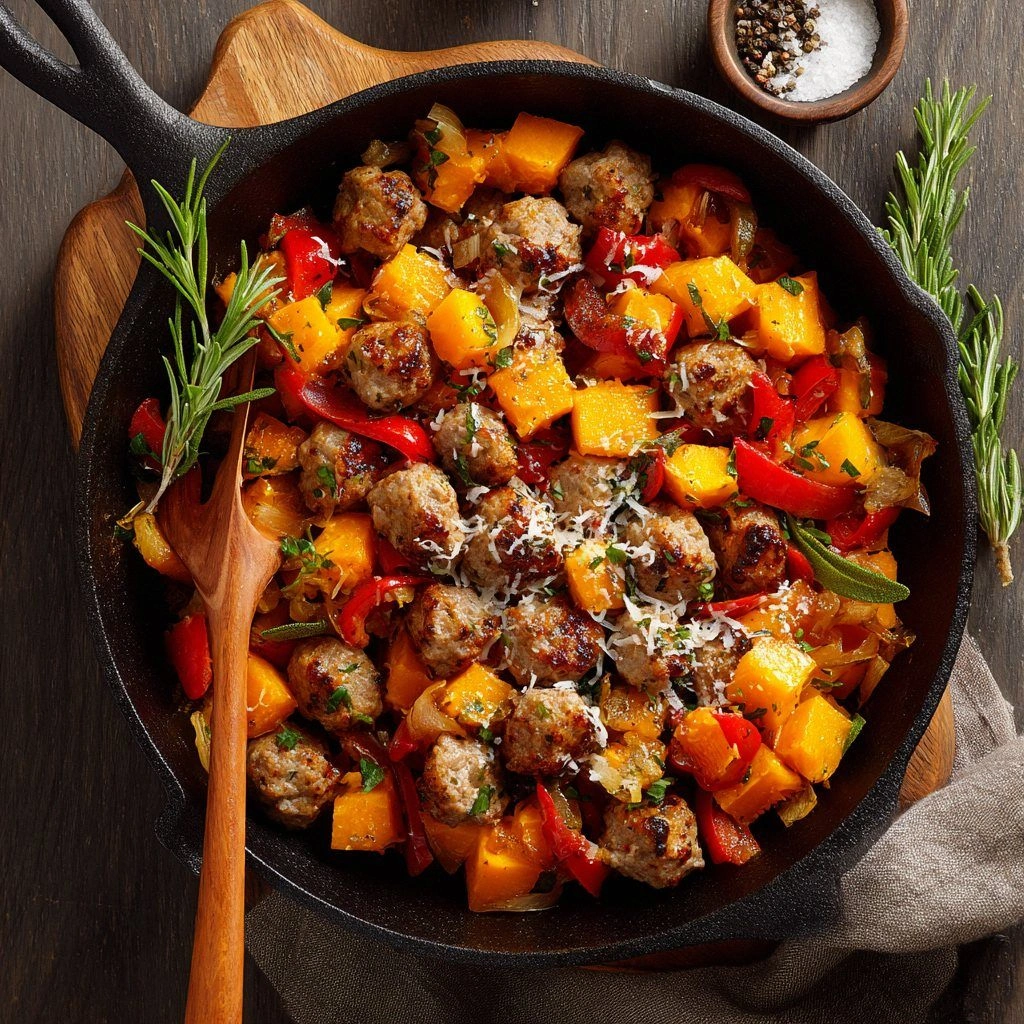
The Method — Step by Step
- Heat a large, heavy‑bottom skillet over medium‑high heat and add the olive oil. Let the oil shimmer until it’s just about to smoke, signaling it’s hot enough. Add the sausage, breaking it apart with a wooden spoon. The sausage should sizzle loudly, a sound that says it’s ready to brown. Cook until the sausage turns a deep amber, about 5 minutes, turning occasionally.
- Add the diced onion to the skillet, stirring to coat it in the sausage fat. The onion will soften and release its natural sweetness, creating a fragrant base. Cook for 3 minutes until the onion begins to turn translucent. The aroma should be inviting, like a cozy cabin in the woods. Keep the heat steady to avoid burning.
- Introduce the minced garlic, letting it cook for just 30 seconds before it starts to brown. Garlic’s quick burst of flavor will mingle with the onions and sausage. Stir constantly to prevent the garlic from sticking. This step is crucial for the depth of flavor. If you’re in a hurry, you can add the garlic in the last minute of cooking.
- Add the diced butternut squash, stirring to combine it with the other ingredients. The squash should sizzle as it hits the hot pan, releasing its natural sugars. Cook for 5 minutes, letting the edges caramelize slightly. The squash will begin to soften but still retain a bite. Keep turning to avoid sticking.
- This is the moment of truth: pour in the chicken broth and bring the mixture to a gentle simmer. The liquid should reduce slightly, concentrating the flavors. The broth also helps deglaze the pan, lifting the browned bits that are packed with flavor. Watch the mixture closely; you want it to thicken to a sauce consistency, not boil. A quick stir ensures the broth distributes evenly.
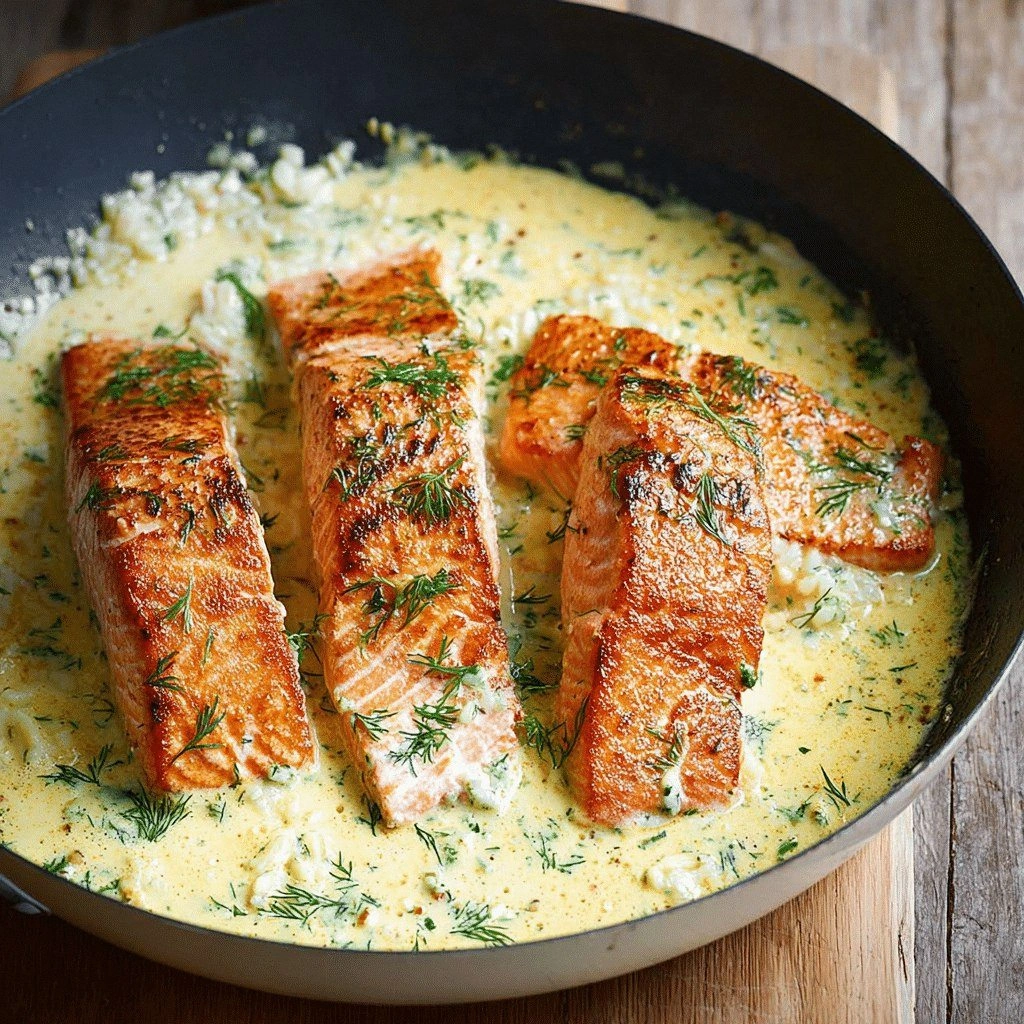
- Stir in the heavy cream, letting it mingle with the broth to form a silky sauce. The cream should coat the skillet, creating a glossy finish. Reduce the heat to low and let the mixture thicken for another 2 minutes. The sauce should be rich but not clumpy. Taste and adjust seasoning if necessary.
- Add the grated parmesan, stirring until it melts into the sauce. The cheese will give the dish a nutty, salty depth that balances the cream. Continue to cook for an additional minute, allowing the cheese to incorporate fully. The mixture should look smooth and inviting. The aroma will be irresistible.
- Finish with a squeeze of lemon zest and a sprinkle of toasted breadcrumbs for crunch. The lemon zest brightens the dish, cutting through the richness. The breadcrumbs add a satisfying snap that contrasts the silky sauce. Stir everything together gently, allowing the flavors to marry. Plate immediately for the best texture and flavor experience.
That’s it — you did it. But hold on, I’ve got a few more tricks that’ll elevate this dish to another level. Stay tuned for the insider tips that will make your next batch even more unforgettable.
Insider Tricks for Flawless Results
The Temperature Rule Nobody Follows
Many cooks think that high heat is always better, but for this dish, moderate heat is key. A steady, medium‑low heat allows the sausage to brown evenly without burning the onions. This keeps the flavors balanced and prevents bitterness from developing. If you’re using a gas stove, let the burner settle before adding the sausage.
Why Your Nose Knows Best
The aroma of cooking sausage is a powerful indicator of doneness. When the sausage releases a rich, nutty scent, it’s close to perfection. Trust your nose to know when the skillet is ready for the next ingredient. This sensory cue saves you from overcooking or underseasoning.
The 5-Minute Rest That Changes Everything
After you remove the skillet from heat, let the dish rest for five minutes. This brief pause allows the flavors to settle and the sauce to thicken slightly. The rest period also gives the breadcrumbs a chance to absorb the sauce, enhancing their crunch. When you stir after resting, the sauce will cling beautifully to each piece.
How to Keep the Squash from Turning Mushy
Squash can become soggy if it’s cooked for too long. To avoid this, add the squash after the onions have softened but before the broth starts to reduce. This timing ensures the squash retains its bite while still absorbing the savory sauce.
Make‑Ahead Magic
To prep ahead, cook the entire skillet and let it cool completely. Store it in an airtight container in the fridge for up to 3 days. When reheating, add a splash of broth or water to restore the sauce’s silky texture. This method keeps the dish fresh and delicious.
Why the Breadcrumbs Matter
Many recipes skip the breadcrumbs, but they add a delightful crunch that balances the creaminess. Toast the breadcrumbs lightly with a touch of oil until golden. This step creates a nutty flavor that complements the sausage and squash. The crunchy texture also provides a satisfying contrast.
Creative Twists and Variations
This recipe is a playground. Here are some of my favorite ways to switch things up:
Smoky Chipotle Version
Swap smoked paprika for chipotle powder for a smoky, slightly spicy kick. Add a splash of adobo sauce for extra depth. Pair it with a side of cilantro‑lime rice to balance the heat. This version is perfect for those who love a little fire in their dish.
Vegan Delight
Use plant‑based sausage and a dairy‑free cream alternative. Replace parmesan with nutritional yeast for a cheesy flavor. Keep the breadcrumbs toasted in olive oil. This version delivers all the comfort without the animal products.
Herb Garden Variation
Increase the fresh herbs, adding basil, oregano, and thyme for a Mediterranean twist. Toss in sun‑dried tomatoes for a burst of umami. Finish with a drizzle of balsamic glaze for a sweet finish. This version is a garden‑in‑a‑skillet.
Breakfast Boost
Serve the skillet over a bed of fluffy scrambled eggs. Add a sprinkle of cheddar cheese and a dash of hot sauce. This makes a hearty breakfast that feels like brunch. The sausage and squash pair wonderfully with the eggs’ creaminess.
Asian Fusion
Replace the olive oil with sesame oil and add a splash of soy sauce. Stir in sliced bell peppers for crunch and color. Garnish with chopped scallions and a drizzle of sriracha. The dish takes on an Asian‑inspired flavor profile.
Low‑Carb Option
Skip the breadcrumbs and serve the skillet over sautéed spinach or cauliflower rice. Use a sugar‑free broth to keep carbs low. The dish remains rich and satisfying without the extra carbs. This version is great for keto or low‑carb diets.
Storing and Bringing It Back to Life
Fridge Storage
Cool the skillet completely before refrigerating. Transfer to an airtight container and store for up to three days. The sauce will thicken slightly, so add a splash of broth when reheating. Use a non‑stick pan to reheat, stirring occasionally.
Freezer Friendly
Pack the dish in freezer‑safe containers, leaving a little room for expansion. Label with the date and freeze for up to two months. Thaw overnight in the fridge before reheating. This method preserves flavor and texture.
Best Reheating Method
Reheat on low heat, adding a small amount of water or broth to keep the sauce moist. Stir gently until heated through, then finish with a sprinkle of fresh parsley. The dish will taste as good as when it was first cooked. The key is to keep the heat gentle to avoid overcooking the sausage.