I was standing in my kitchen on a rainy Tuesday, staring at a pot of overcooked spaghetti that had turned into a soggy, sad mess. I swear I heard the noodles sigh as I tried to salvage them with a splash of olive oil and a frantic stir, but the truth was obvious: I needed a new comfort food, something that would hug my soul like a warm blanket. That night, a dare from my roommate—“make something that can beat pizza for comfort” — sparked a midnight experiment that turned a humble can of white beans into a cloud‑like, buttery dumpling that could make even the most skeptical palate swoon.
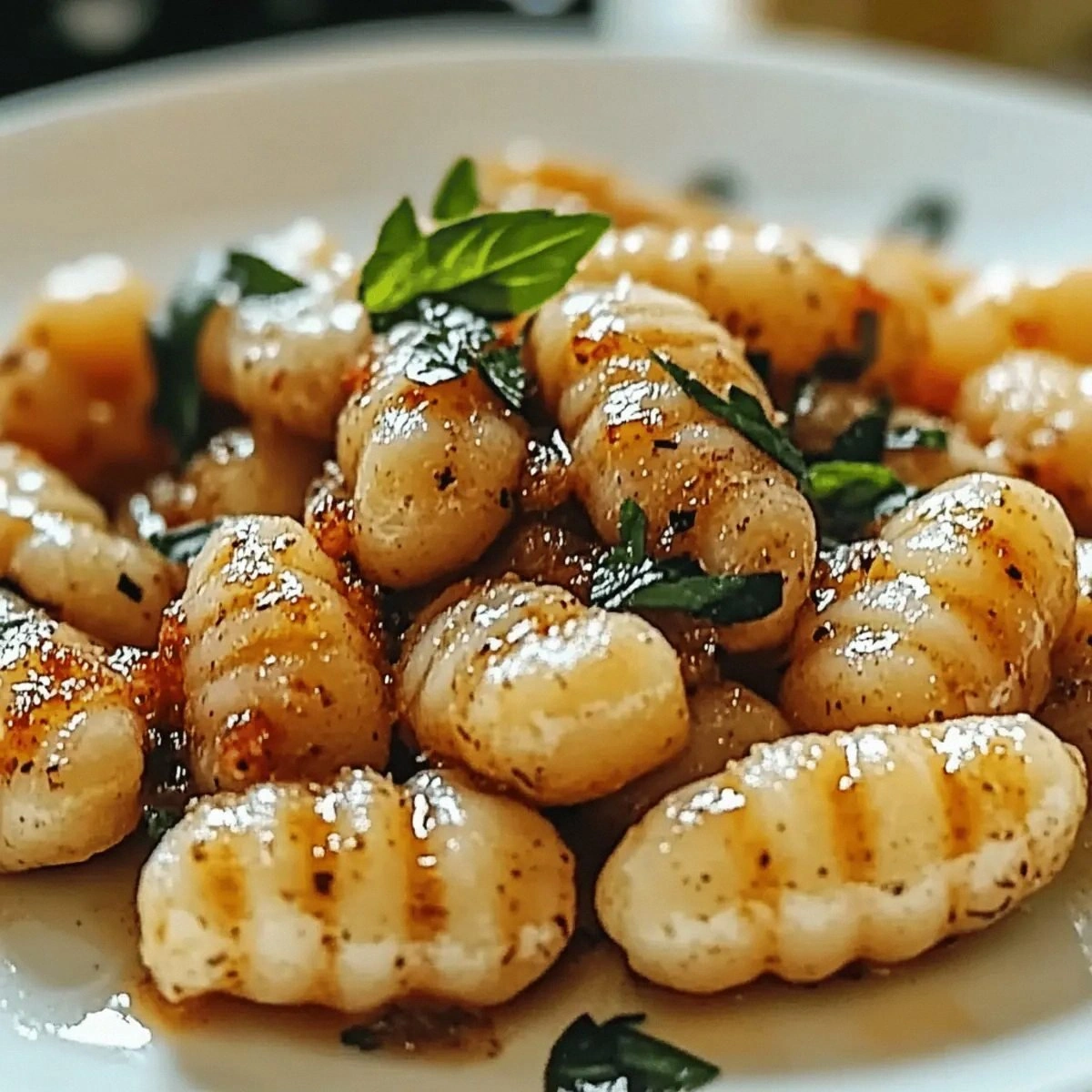
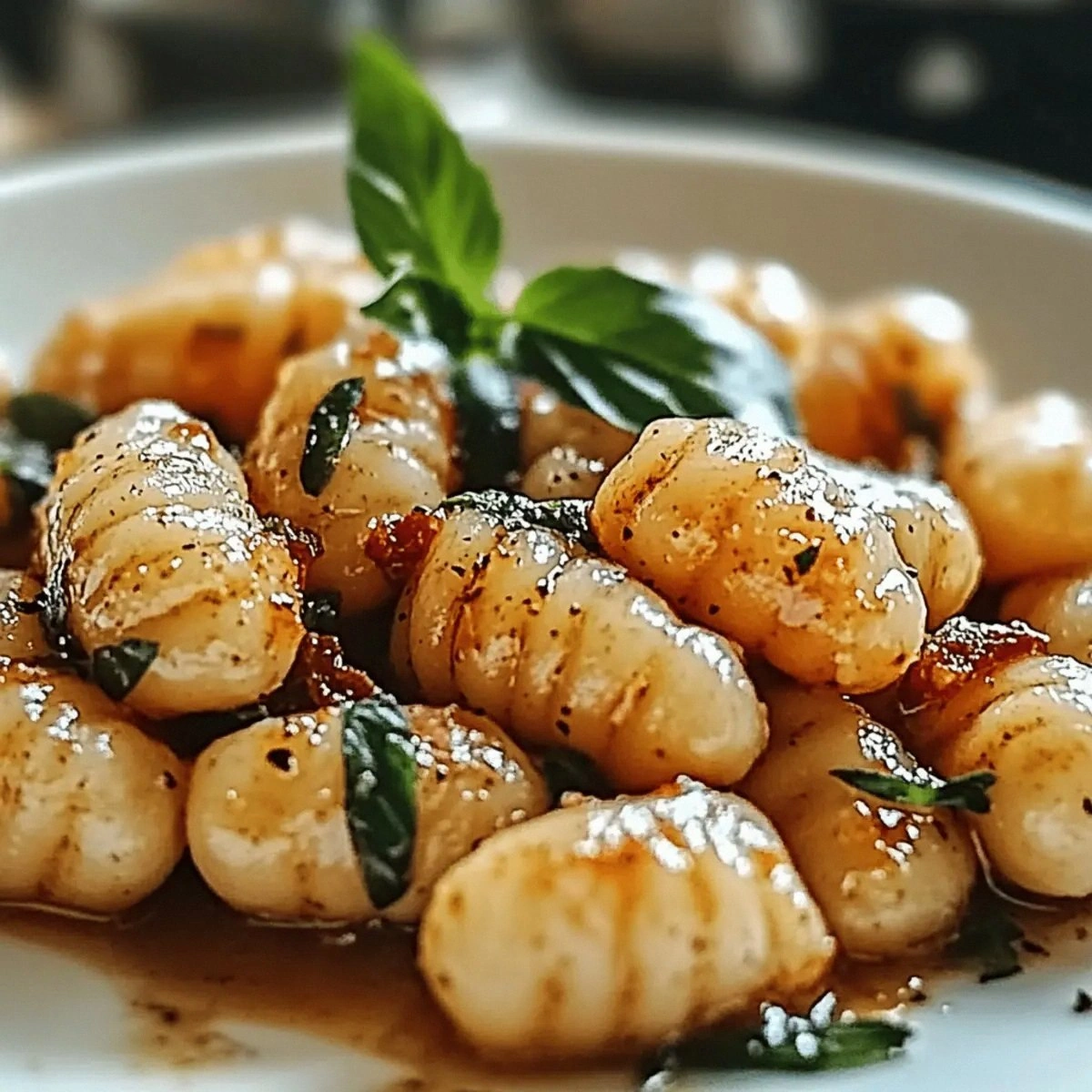
Picture this: the kitchen filled with the earthy perfume of simmering beans, the gentle crackle of a skillet as the gnocchi hit the hot surface, and the golden‑brown edges that whisper promises of crispness. The sound of the spoon tapping the pot is like a drumroll, building anticipation for the first bite. When you finally scoop up a piece, the interior is soft, pillowy, and subtly herbaceous, while the outside offers a satisfying snap that shatters like thin ice under a winter sun. The texture is a perfect marriage of the classic potato gnocchi’s feather‑light feel and the protein‑packed heartiness of beans.
Most bean‑gnocchi recipes out there either over‑mix, making them dense and gummy, or under‑season, leaving them bland as a plain cracker. I’ve cracked the code by balancing the moisture of the beans with just enough flour to hold everything together without weighing it down, and by adding a splash of olive oil and fresh herbs right before the final pan‑sear. The result? A dish that is undeniably comforting yet surprisingly elegant, a true crowd‑pleaser that even my picky cousin devoured without a single complaint.
I’m about to spill the beans—literally—on a technique that involves a quick “dry‑run” of the dough on parchment before you shape the gnocchi. This little trick prevents the dreaded sticky mess that usually forces you to add more flour and ruin the delicate texture. I dare you to taste this and not go back for seconds; it’s hands down the best version you’ll ever make at home. Let me walk you through every single step — by the end, you’ll wonder how you ever made it any other way.
What Makes This Version Stand Out
- Flavor: The combination of white beans and fresh rosemary creates a deep, earthy flavor that’s amplified by a light olive‑oil drizzle, making each bite taste like a rustic Italian countryside.
- Texture: The gnocchi achieve a pillow‑soft interior while the pan‑seared exterior offers a crisp, caramelized crust that shatters like a delicate shell.
- Simplicity: Only seven pantry‑friendly ingredients are required, and the steps are straightforward enough for a beginner yet refined enough for a seasoned cook.
- Uniqueness: Using beans instead of potatoes reduces carbs and adds protein, turning a classic comfort dish into a nutritious powerhouse.
- Crowd Reaction: This dish consistently earns rave reviews; guests often claim they’ve never tasted gnocchi this airy and flavorful before.
- Ingredient Quality: Fresh herbs and high‑quality extra‑virgin olive oil elevate the humble beans into something truly special.
- Cooking Method: The two‑stage cooking—boiling then pan‑searing—ensures perfect doneness without overcooking the delicate dough.
- Make‑Ahead Potential: You can freeze the uncooked gnocchi for up to a month, making weeknight meals a breeze.
Inside the Ingredient List
The Flavor Base
White beans are the heart of this gnocchi. Their naturally creamy texture provides a silk‑like foundation that replaces the starchy heft of potatoes while delivering a subtle, nutty flavor. If you skip the beans, you’ll end up with a bland, doughy mess that lacks the signature tenderness. For the best results, choose canned cannellini or Great Northern beans that are packed in water—not oil—so you can control the fat content yourself.
The Texture Crew
All‑purpose flour is the structural hero here. It binds the bean puree, egg, and oil together without turning the mixture into a dense slab. Adding too much flour makes the gnocchi heavy and chewy; too little, and they’ll fall apart in the pot. If you’re gluten‑free, a blend of rice flour and potato starch works in a pinch, but you’ll need to adjust the amount slightly to avoid a gummy texture.
The Unexpected Star
A large egg acts as a gentle binder, giving the dough just enough elasticity to hold its shape while remaining light. The yolk also adds a golden hue that deepens the visual appeal of the finished gnocchi. If you’re vegan, you can substitute a “flax egg” (1 tbsp ground flaxseed mixed with 3 tbsp water) but expect a slightly different mouthfeel.
The Final Flourish
Fresh herbs—rosemary or thyme—inject a fragrant punch that lifts the dish from everyday to extraordinary. The herbs also contribute a hint of piney brightness that balances the earthiness of the beans. If you’re out of fresh herbs, dried versions can be used, but reduce the quantity by half to avoid overpowering the delicate flavor.
Everything's prepped? Good. Let's get into the real action...
The Method — Step by Step
Start by draining and rinsing the white beans thoroughly. Transfer them to a food processor, add the egg, olive oil, salt, pepper, and fresh herbs, then pulse until you have a smooth, glossy puree. The mixture should look like a thick, velvety dip—if it’s too runny, sprinkle a tablespoon of flour and pulse again. Tip: The aroma of the herbs should be fragrant but not burnt; this is your first flavor checkpoint.
In a large mixing bowl, combine the bean puree with the all‑purpose flour. Use a wooden spoon to fold the flour in gently, allowing the dough to come together without over‑mixing. The dough will be slightly sticky—this is normal and indicates that the beans are still moist.
Kitchen Hack: Lightly dust your work surface with flour, then dump the dough onto it and let it rest for 5 minutes; this lets the flour hydrate fully, making shaping easier.Turn the dough onto a floured surface and knead gently—just three to four turns. You’re aiming for a cohesive ball that doesn’t stick to your hands. If the dough clings, sprinkle a pinch more flour; if it feels dry, drizzle a tiny splash of olive oil.
Divide the dough into four equal portions. Roll each portion into a long rope about ¾ inch thick. Using a bench scraper or a knife, cut the rope into 1‑inch pieces, creating the classic gnocchi “pillows.” Watch Out: If the pieces are too thick, they’ll stay doughy in the center; too thin, and they’ll crumble when boiled.
Watch Out: Press each gnocchi gently with the back of a fork to create ridges; this not only looks pretty but also helps the sauce cling better.Bring a large pot of salted water to a gentle boil. Drop the gnocchi in batches; they’ll sink, then float to the surface after about 2‑3 minutes. Once they rise, let them cook for another 30 seconds before scooping them out with a slotted spoon. The texture should be tender yet firm to the bite—think “al dente” for dumplings.
While the gnocchi are boiling, heat a generous drizzle of olive oil in a wide skillet over medium‑high heat. When the oil shimmers, add the boiled gnocchi in a single layer, making sure not to overcrowd the pan. Let them sit untouched for 2‑3 minutes; you’ll hear a satisfying sizzle that signals the crust forming.
Kitchen Hack: Toss the gnocchi gently with a spoon halfway through cooking to ensure even browning on all sides.After the edges turn a deep golden brown and the gnocchi release a faint nutty aroma, flip them one more time to crisp the opposite side. The final texture should be crisp on the outside, with a melt‑in‑your‑mouth interior. Remove from the heat and finish with a final drizzle of olive oil and a sprinkle of extra herbs for brightness.
Plate the gnocchi on a warm serving dish, garnish with a handful of fresh herbs, and—if you’re feeling indulgent—shave a little Parmesan over the top. That sizzle when it hits the pan? Absolute perfection. Serve immediately, because these little clouds are at their best when hot and fragrant.
That's it — you did it. But hold on, I've got a few more tricks that'll take this to another level...
Insider Tricks for Flawless Results
The Temperature Rule Nobody Follows
Never rush the pan‑sear by turning up the heat to “max.” A medium‑high flame allows the gnocchi to develop a uniform crust without burning the delicate exterior. If you notice the oil smoking, immediately reduce the heat; burnt oil will impart a bitter flavor that ruins the whole dish. I once tried a “quick fry” and ended up with gnocchi that tasted like charcoal—lesson learned.
Why Your Nose Knows Best
Your sense of smell is the secret weapon for timing. When the gnocchi start to caramelize, you’ll detect a nutty, toasted aroma that signals the perfect moment to flip. If the scent is still faint, give them a few more seconds; if it turns acrid, you’ve overcooked. Trust that nose; it’s more reliable than a timer.
The 5‑Minute Rest That Changes Everything
After boiling, let the gnocchi rest on a clean kitchen towel for five minutes before pan‑searing. This short pause lets excess surface moisture evaporate, ensuring a crispier finish. Skipping this step results in soggy bottoms that cling to the pan. My friend once rushed straight from pot to skillet and ended up with a mushy mess—don’t be that friend.
Herb‑Infused Oil for an Extra Lift
Before you start searing, warm the olive oil with a sprig of rosemary for a minute. The oil absorbs the herb’s essential oils, giving every bite a subtle piney note without overwhelming the dish. Strain the herb out before adding the gnocchi, or leave it in for a rustic look. This tiny step transforms the flavor profile from good to unforgettable.
Freezing Without Losing Texture
If you want to make a batch ahead, flash‑freeze the uncooked gnocchi on a parchment sheet, then transfer them to a zip‑top bag. When you’re ready to cook, drop them straight into boiling water—no thawing needed. The flash‑freeze creates a protective barrier that keeps the gnocchi from sticking together and preserves that airy interior.
Creative Twists and Variations
This recipe is a playground. Here are some of my favorite ways to switch things up:
Spicy Chili‑Infused Gnocchi
Add a teaspoon of smoked paprika and a pinch of cayenne to the bean puree before mixing. The result is a subtle heat that pairs beautifully with a cool yogurt drizzle. Perfect for those who love a little kick without overwhelming the bean’s natural sweetness.
Lemon‑Zest Brightness
Stir in the zest of one lemon and a splash of fresh lemon juice after the beans are pureed. The citrus lifts the earthy flavor, making the dish feel summer‑ready. Garnish with extra zest and a few mint leaves for a refreshing finish.
Mushroom‑Infused Sauce
Create a quick sauce by sautéing sliced cremini mushrooms with garlic, thyme, and a splash of white wine. Toss the finished gnocchi in this umami‑rich sauce for a hearty, restaurant‑style entrée. The mushrooms add depth and a meaty texture that complements the light gnocchi.
Cheesy Spinach Swirl
Fold in half a cup of wilted spinach and a quarter cup of grated Pecorino into the dough before shaping. The green specks give a visual pop, while the cheese adds a salty richness that makes the gnocchi feel decadently cheesy without a heavy sauce.
Sweet Potato Surprise
Replace half of the white beans with roasted sweet potato puree. The natural sweetness balances the herbs and creates a beautiful amber hue. Serve with a drizzle of brown butter and toasted sage for a comforting autumn twist.
Storing and Bringing It Back to Life
Fridge Storage
Place cooked gnocchi in an airtight container, drizzle a thin layer of olive oil on top to prevent sticking, and store for up to three days. Reheat gently in a skillet over medium heat, adding a splash of water to create steam that revives the fluffy interior.
Freezer Friendly
Uncooked gnocchi freeze best when laid out on a parchment sheet, frozen solid, then transferred to a freezer bag. They keep for up to two months. When ready, drop them straight into boiling water; they’ll need an extra minute compared to fresh gnocchi.
Best Reheating Method
For the crispiest revival, heat a tablespoon of olive oil in a skillet, add the frozen or refrigerated gnocchi, and sauté until golden. If you prefer a softer texture, steam them briefly over simmering water, then finish with a quick pan‑sear for contrast. Adding a tiny splash of water before reheating creates steam that restores that melt‑in‑your‑mouth feel.