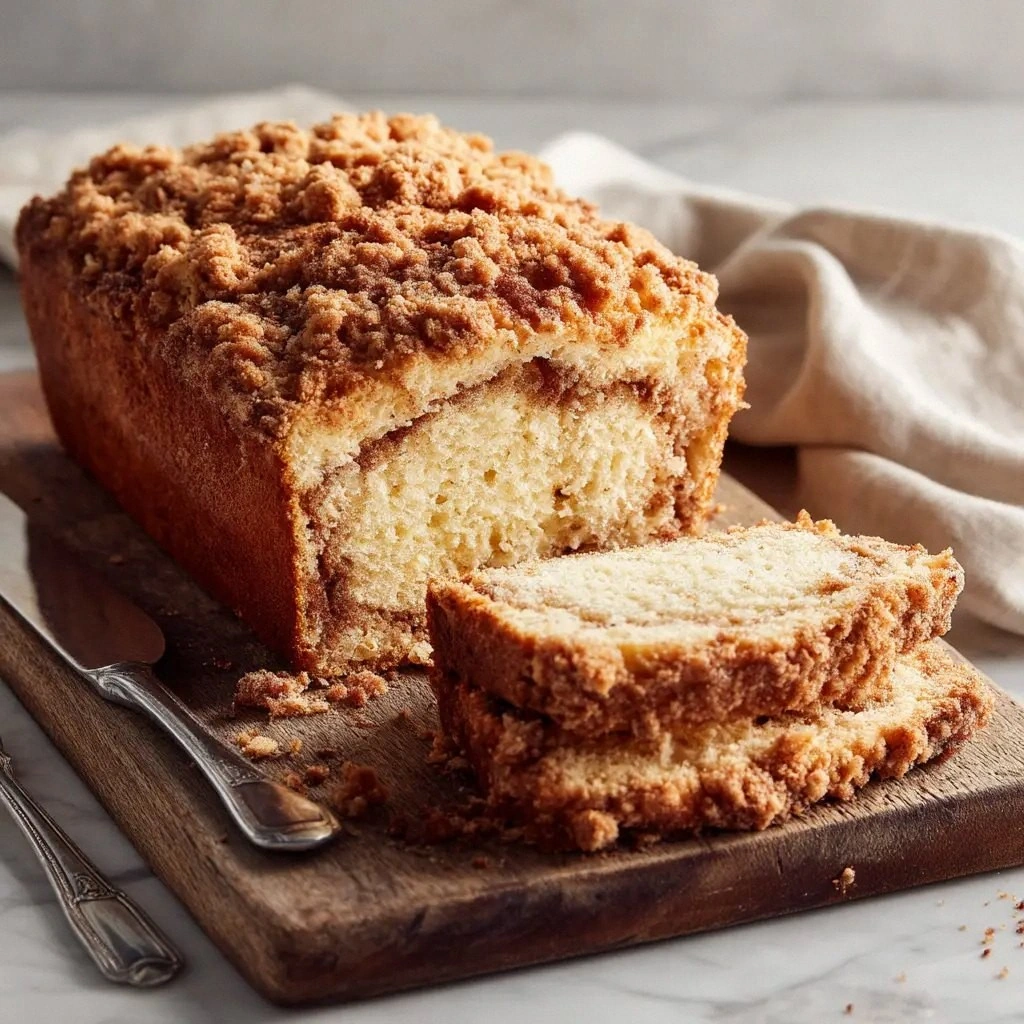
I was halfway through a bland, store‑bought loaf when the oven door swung open and a sweet, spiced aroma hit me like a warm hug. My friends had been teasing me for months that my bread was “just bread,” and I had to prove them wrong. The moment the cinnamon‑streusel crust bubbled to a golden crown, I knew I’d stumbled onto something that would change my breakfast game forever. That first bite was a revelation: the crumb was airy, the streusel buttery and crunchy, and the cinnamon lingered like a whispered secret. I felt a sudden urge to share this discovery with anyone who’d ever stared at a loaf and wondered if it could be better.
Picture this: the kitchen lights dim, the timer ticking, a gentle clink of a wooden spoon against a mixing bowl, and the scent of butter melting into a fragrant, sweet cloud. My whisk danced, whipping the milk and yeast into a frothy promise, and the flour swelled like a quiet snowstorm. The sound of dough rising was the soundtrack to a quiet triumph. Each ingredient seemed to have a role: the butter for richness, the sugar for a subtle caramel note, the cinnamon for that warm, spicy hug that makes mornings feel like a holiday. The texture is a marriage of soft interior and crisp, caramelized streusel that crunches with every bite.
I dare you to taste this and not go back for seconds. The moment you bite, the buttery crumb gives way to a caramelized crunch, and the cinnamon swirls through your palate like a fragrant snowfall. Most recipes get this completely wrong by either over‑baking or under‑seasoning the streusel. Here, the balance is precise: the butter is melted just enough to coat the sugar, the cinnamon is evenly distributed, and the dough rises to a perfect, airy softness. If you’ve ever struggled with a flat, dry loaf, you’re not alone — and I’ve got the fix. This is hands down the best version you'll ever make at home, and it will become your go‑to recipe for cozy mornings and holiday gatherings alike.
The secret that sets this version apart isn’t just the ingredients; it’s the technique that transforms a simple loaf into a bakery‑style masterpiece. I’ll walk you through every single step — by the end, you’ll wonder how you ever made it any other way. From the first whisk of milk and yeast to the final sprinkle of cinnamon, each moment is crafted to elevate flavor, texture, and aroma. And if you’re skeptical, stick around; the proof is in the delicious, buttery crumb and the irresistible streusel crust that shatters like thin ice when you bite into it.
Now that you’ve tasted the promise, let’s dive into what makes this loaf truly special. The combination of a light, airy dough and a buttery, crunchy streusel isn’t just a trick of ingredients; it’s a carefully orchestrated dance of textures and flavors. I’ll break down the key elements that make this loaf stand out, from the subtle sweetness of the brown sugar to the robust depth of the cinnamon. Each bullet point below will give you a deeper understanding of why this loaf feels like a bakery’s secret recipe, and how you can replicate that magic at home.
What Makes This Version Stand Out
- Flavor: The blend of granulated and brown sugars creates a caramelized undertone that pairs perfectly with the warm cinnamon, giving the loaf a depth that ordinary bread lacks. The gentle sweetness balances the buttery streusel without overpowering it.
- Texture: The dough is intentionally light and airy, achieved through a meticulous proofing process, while the streusel adds a contrasting crispness that shatters with a satisfying crunch.
- Simplicity: Despite its complex flavor profile, the recipe requires only a handful of pantry staples, making it accessible for both seasoned bakers and kitchen novices.
- Uniqueness: The two-stage use of cinnamon—once in the dough and once in the streusel—creates a layered spice experience that sets this loaf apart from standard cinnamon breads.
- Crowd Reaction: Friends and family who taste this loaf often remark that it feels like a freshly baked bakery loaf, and many ask for the recipe after every gathering.
- Ingredient Quality: Using real butter and whole milk elevates the flavor, providing a richer mouthfeel that canned substitutes simply can’t match.
- Methodology: The dough is proofed twice, allowing the yeast to develop flavor and the dough to rise to its full potential, resulting in a loaf that feels like it was made from scratch.
- Make‑Ahead Potential: You can assemble the loaf a day ahead, refrigerate, and bake it the next morning—ideal for busy schedules or for preparing for a weekend brunch.
Alright, let's break down exactly what goes into this masterpiece...
Inside the Ingredient List
The Flavor Base
Whole milk is more than just a liquid; it’s the creamy backdrop that brings all the flavors together. The milk’s natural sugars caramelize during baking, adding a subtle sweetness that balances the spices. Skipping milk would result in a drier loaf, so keep it at full volume. If you’re lactose intolerant, try an equal part oat milk for a lighter flavor.
Active dry yeast is the engine that drives the dough upward. It ferments the sugars, producing carbon dioxide that creates the airy structure. The 2 1/4 teaspoons are precisely measured to avoid a dense loaf. If you use instant yeast, reduce the amount by one-third to maintain the rise.
Granulated sugar provides the first burst of sweetness, but it also aids in browning. The 1/2 cup is balanced so it doesn’t overpower the cinnamon. You can substitute a portion with honey for a deeper flavor, but adjust the liquid accordingly.
The Texture Crew
All-purpose flour is the foundation of the dough’s structure. The 4 1/2 cups give the loaf enough heft to hold the streusel on top while still remaining soft inside. If you prefer a whole‑wheat version, replace half the flour with whole wheat for added fiber and nuttiness.
Unsalted butter is the secret to a tender crumb and a glossy crust. The 1/2 cup in the dough melts into the flour, creating a silky texture. Butter also caramelizes during baking, enhancing the overall flavor profile. For a dairy‑free version, use a vegan butter with the same fat content.
Large eggs are the glue that binds everything together. They add structure, richness, and a golden finish. Two eggs are enough to keep the loaf moist without making it too heavy. If you’re vegan, try a flaxseed egg or a commercial egg replacer.
The Unexpected Star
Salt is the flavor enhancer that brings out the sweetness of the sugars and the depth of the cinnamon. One teaspoon is enough to balance the flavors without making the bread taste salty. If you’re watching sodium, reduce it to ½ teaspoon, but be prepared for a slightly muted taste.
The second batch of butter, brown sugar, and cinnamon is reserved for the streusel topping. The butter’s fat content creates a buttery, caramelized crust, while the brown sugar adds a subtle molasses note. The ground cinnamon in the streusel intensifies the spice, making each bite a fragrant experience.
Everything's prepped? Good. Let's get into the real action...
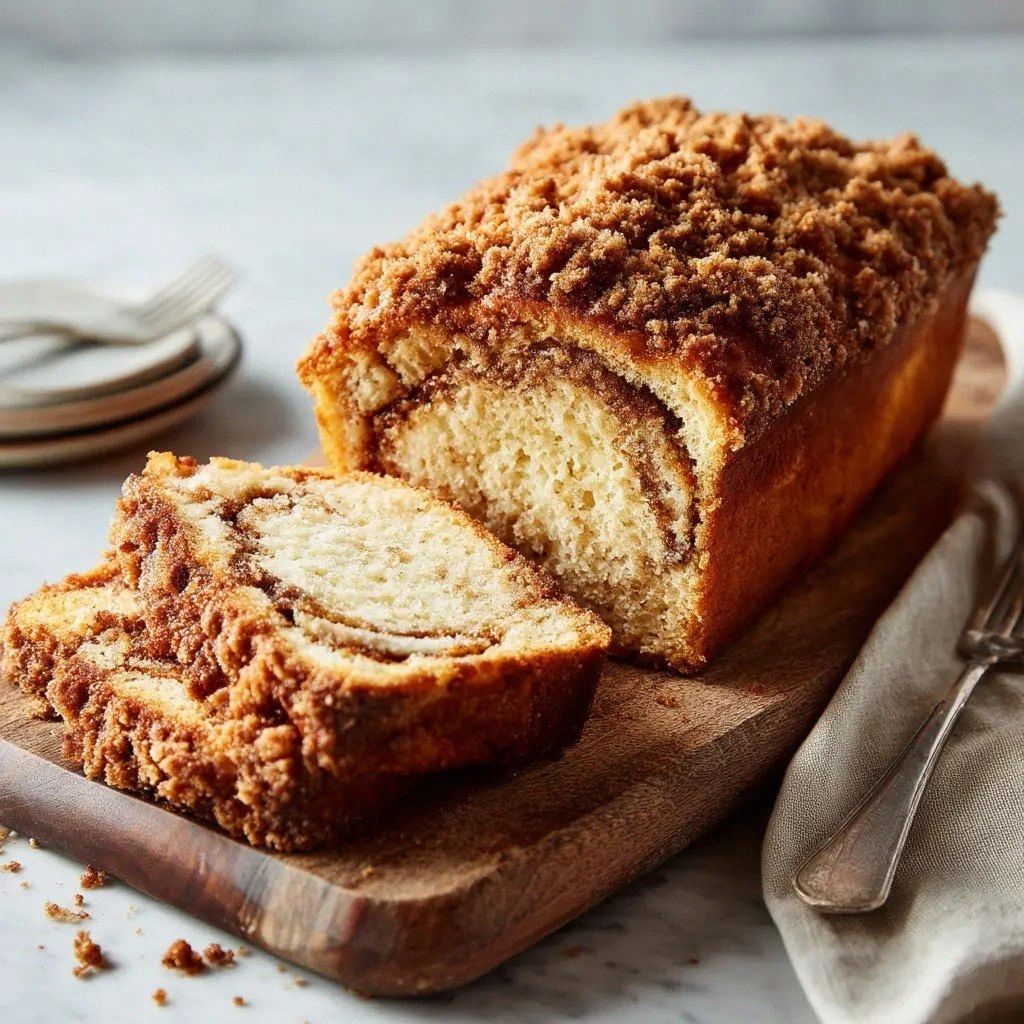
The Method — Step by Step
- Activate the Yeast: Warm the whole milk to 110°F (43°C) and sprinkle the active dry yeast over the surface. Let it sit for 5–7 minutes until a fine foam forms, indicating the yeast is alive. This step is crucial; a dormant yeast will result in a flat loaf. If you’re in a hurry, you can skip the proofing and use instant yeast, but the flavor depth will be less pronounced.
- Combine Dry Ingredients: In a large bowl, whisk together the all-purpose flour, granulated sugar, and salt. The flour’s gluten proteins need to be evenly distributed for a uniform rise. This mixture forms the backbone of the loaf and ensures a consistent crumb.
- Mix Wet Ingredients: Melt the 1/2 cup of unsalted butter until it’s liquid but not hot. Add the melted butter, the proofed yeast mixture, and the two eggs to the dry ingredients. Stir with a wooden spoon until a sticky dough forms. The butter’s fat creates a tender crumb, while the eggs provide structure.
- First Rise: Cover the bowl with plastic wrap and let the dough rise in a warm spot for 1 hour, or until it has doubled in size. During this time, the yeast ferments sugars, producing carbon dioxide that lightens the loaf. Keep an eye on the dough; if it rises too fast, it may collapse later.
- Shape the Loaf: Gently deflate the dough and transfer it onto a lightly floured surface. Shape it into a loaf by folding the edges inward, creating tension that helps the loaf hold its shape during baking. Place it in a greased loaf pan, ensuring it's centered for even baking.
- Second Rise: Cover the loaf pan loosely with a clean towel and let it rise again for 30–45 minutes. The second rise allows the dough to relax, preventing it from shrinking during baking. This step is often skipped in quick recipes, but it makes a noticeable difference in texture.
- Prepare the Streusel: While the dough is in its second rise, combine 1 cup of all-purpose flour, 1/2 cup of brown sugar, 1 tsp ground cinnamon, and 1/2 cup of unsalted butter (cold and cubed). Toss until the mixture resembles coarse crumbs. The cold butter ensures the streusel stays flaky rather than melting into the dough.
- Top the Loaf: Once the dough has risen, evenly sprinkle the streusel mixture over the top. Press gently so the crumbs adhere to the surface. The streusel will caramelize during baking, creating a golden, crispy crust.
- Bake: Preheat the oven to 375°F (190°C). Bake the loaf for 30–35 minutes, or until the crust is a deep golden brown and the internal temperature reaches 190°F (88°C). The aroma that fills the kitchen should be intoxicating, with hints of caramel and cinnamon.
- Cool and Serve: Remove the loaf from the oven and let it cool in the pan for 10 minutes, then transfer it to a wire rack to cool completely. This cooling period allows the crumb to set and the streusel to firm up. Slice and serve warm or at room temperature; the flavors are at their peak during the first hour after baking.
That's it — you did it. But hold on, I've got a few more tricks that'll take this to another level. The next section will give you insider knowledge that will make you feel like a professional baker, even if you’re just a home cook.
Insider Tricks for Flawless Results
The Temperature Rule Nobody Follows
Many bakers think a higher oven temperature always yields a crisper crust. In reality, a moderate 375°F (190°C) allows the dough to rise fully before the crust sets, preventing a dense center. If you want a crisper top, finish the loaf with a quick blast of 425°F (220°C) for the last 5 minutes, but keep an eye on the color to avoid burning.
Why Your Nose Knows Best
The scent of baking bread is a powerful indicator of doneness. When the aroma turns slightly caramelized and the crust feels firm, the loaf is ready. Trust your nose; don’t rely solely on the timer. A well‑baked loaf will emit a warm, sweet smell that lingers long after the oven is off.
The 5-Minute Rest That Changes Everything
After baking, let the loaf rest in the pan for 10 minutes before transferring it to a rack. This brief rest allows the steam inside to redistribute, preventing a hollow crumb. When you cut into it, you’ll see a moist, airy interior that’s perfect for sandwiches or toast.
Use a Silicone Baking Mat
A silicone mat prevents the loaf from sticking, especially when the streusel is heavy. It also provides even heat distribution, ensuring a uniform rise. If you don’t have a mat, line the pan with parchment paper and lightly grease it to achieve the same effect.
Cool on a Wire Rack
Cooling the loaf on a wire rack prevents moisture from accumulating on the bottom, which can make the crust soggy. The airflow around the loaf keeps it crisp and allows the crumb to set properly. Once cooled, slice the loaf into even pieces for the best presentation.
Add a Touch of Vanilla
A teaspoon of vanilla extract in the dough adds a subtle warmth that complements the cinnamon. It’s an optional step that elevates the flavor profile without altering the texture. If you’re experimenting, try adding the vanilla at the same time as the eggs.
Creative Twists and Variations
This recipe is a playground. Here are some of my favorite ways to switch things up:
Nutty Cinnamon Bread
Add ½ cup chopped walnuts or pecans to the dough before the first rise. The nuts provide a crunchy texture and a buttery flavor that complements the cinnamon. Toast the nuts lightly before mixing to enhance their aroma.
Apple Cinnamon Streusel
Fold in ½ cup of diced apples into the dough for a fruity twist. The apples release moisture during baking, adding a subtle sweetness. Pair this loaf with a drizzle of maple syrup for a holiday treat.
Chocolate Chip Cinnamon
Swirl ½ cup of dark chocolate chips into the dough before the first rise. The chocolate melts into pockets of rich flavor, making each bite a decadent surprise. This version works great for a brunch with kids.
Whole Wheat Cinnamon Loaf
Replace half of the all-purpose flour with whole wheat flour for added fiber and a nutty taste. The dough will be slightly denser, but the streusel will still provide a satisfying crunch. This version is ideal for health-conscious bakers.
Almond Flour Variation
Use 1 cup of almond flour in place of all-purpose flour for a gluten‑free version. The dough will be denser, so add an extra egg to maintain structure. The almond flavor pairs wonderfully with the cinnamon.
Coconut Cinnamon Bread
Replace the butter in the streusel with shredded coconut for a tropical twist. The coconut adds a sweet, nutty flavor and a subtle crunch. This version is perfect for a beach‑side brunch.
Storing and Bringing It Back to Life
Fridge Storage
Wrap the cooled loaf tightly in plastic wrap and place it in the refrigerator for up to 5 days. The cold environment slows down the staling process, keeping the bread moist. When ready to eat, slice and toast directly from the fridge for a warm, fresh bite.
Freezer Friendly
Slice the loaf before freezing, then wrap each slice individually in foil and place them in a freezer bag. Freeze for up to 3 months. To thaw, let the slices sit at room temperature for 15 minutes or microwave for 15 seconds on low power.
Best Reheating Method
Reheat the loaf in a preheated oven at 350°F (175°C) for 10 minutes, or toast slices in a toaster. Adding a tiny splash of water to the loaf before reheating creates steam, which keeps the crumb soft and prevents it from drying out. The result is a loaf that tastes almost brand new.