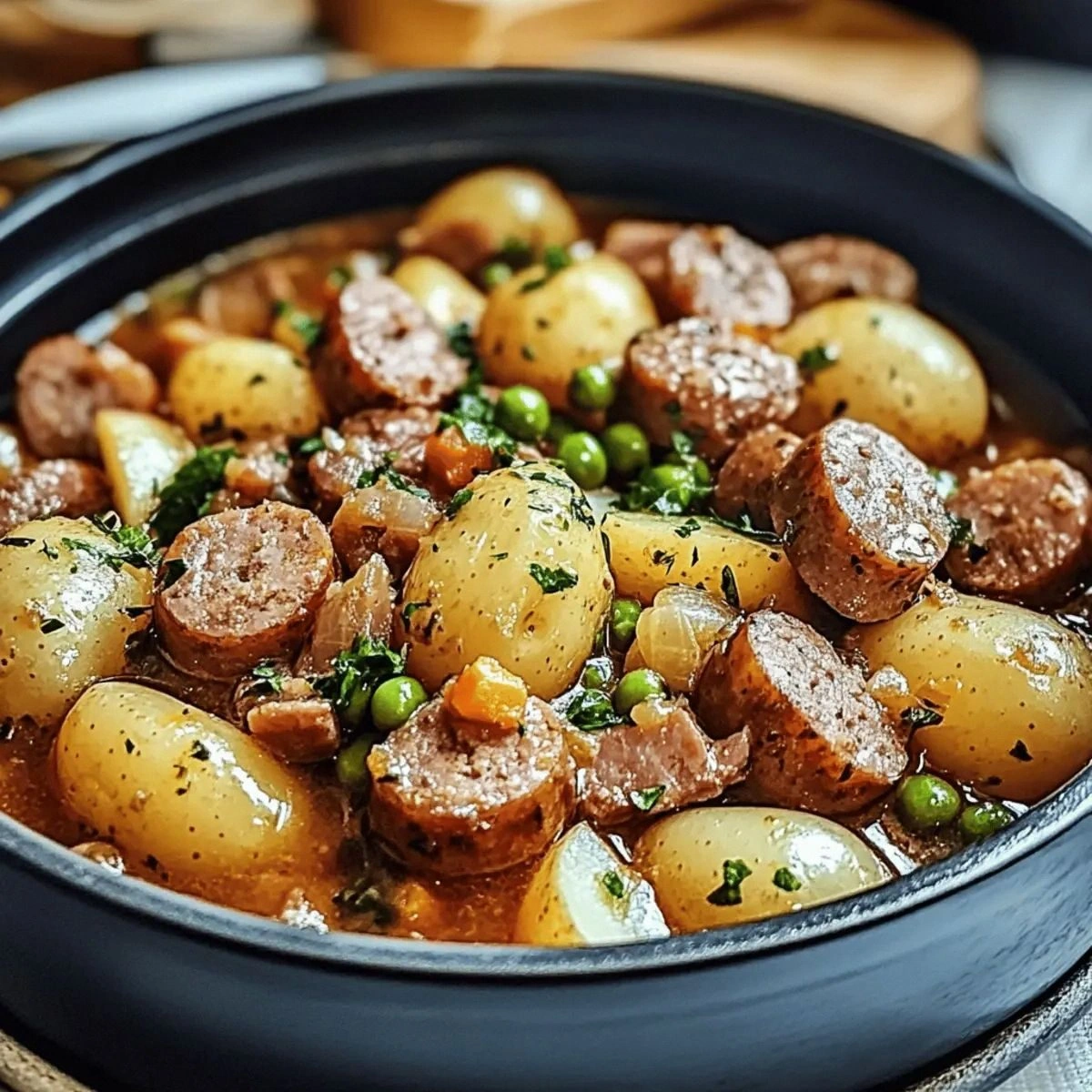
The night I almost turned my kitchen into a smoky disaster zone, I was chasing a craving that had been simmering for days. I had a half‑baked Cajun sausage casserole, a pile of uncooked pasta, and a recipe book that promised “the best creamy pasta ever.” I flipped a pan, the sausage sizzled, and the air filled with a scent that could have been a fire alarm’s warning. I laughed, grabbed the skillet, and declared, “I dare you to taste this and not go back for seconds.”
Imagine the sizzle that crackles as the sausage browns, the aroma of garlic and paprika that lingers in the air, the sight of golden pasta swirling in a velvety sauce. Your tongue tastes the subtle heat from the Cajun seasoning, the creamy richness of heavy cream, and the sharp bite of Parmesan. The texture is a play of crunchy sausage edges that shatter like thin ice, smooth pasta strands that glide, and spinach leaves that soften into silky ribbons. You can almost feel the heat radiating from the pan, the comforting warmth that spreads through the kitchen.
What makes this version stand out is that it’s not just a recipe; it’s an experience that transforms ordinary ingredients into a culinary masterpiece. It balances heat, creaminess, and savory notes without overwhelming the palate. It’s simple enough for a weekday dinner yet sophisticated enough to impress guests. The sauce coats the pasta like velvet, and the sausage delivers a smoky punch that lingers.
The twist you won’t see in most recipes is the addition of fresh spinach and a splash of chicken broth that lifts the sauce and adds a subtle depth. Picture yourself pulling this out of the oven, the whole kitchen smelling incredible, and the table set for a feast that feels like a warm hug. Let me walk you through every single step — by the end, you’ll wonder how you ever made it any other way.
What Makes This Version Stand Out
- Flavor: The combination of Cajun seasoning, garlic, and onion creates a bold, smoky base that sets the tone for the entire dish.
- Texture: The sausage’s crispy edges contrast with the silky sauce, giving each bite a delightful crunch.
- Creativity: Adding fresh spinach not only boosts nutrition but also adds a pop of color and a subtle earthiness.
- Ease: All the steps can be done in under an hour, making it a perfect weeknight dinner.
- Scalability: The recipe scales effortlessly, so you can feed a crowd or make a single serving without compromising flavor.
- Make‑ahead: The sauce keeps its integrity when refrigerated, and reheating is a breeze.
- Ingredient Quality: Using high‑quality sausage and fresh produce elevates the dish beyond the average pasta.
- Audience: Whether you’re a seasoned cook or a beginner, the clear instructions and playful tone make this approachable.
Alright, let's break down exactly what goes into this masterpiece...
Inside the Ingredient List
The Flavor Base
Cajun sausage is the star of this dish, bringing smoky heat and a hearty bite. When sliced into ½‑inch rounds, it releases flavorful juices that infuse the sauce. If you prefer a milder version, opt for a smoked Italian sausage and add a pinch of cayenne for heat. Buying a fresh batch from a local butcher guarantees a cleaner taste and less sodium.
Onion and garlic form the aromatic foundation. The onion’s sweetness balances the sausage’s spiciness, while the garlic adds depth. Use a medium onion for a balanced flavor; a small one will be too sharp, and a large one will overwhelm. If you’re allergic to garlic, a tablespoon of garlic powder works, but the fresh cloves deliver the most vibrant aroma.
The Texture Crew
Heavy cream is the silky backbone of the sauce. It gives the dish its luxurious mouthfeel and helps the cheese melt smoothly. A half‑and‑half or a lighter cream can be substituted if you’re watching calories, but the flavor will be less rich. Keep the cream at room temperature for a smoother blend.
Parmesan cheese adds sharpness and a nutty finish. Grate it fresh for the best melt; pre‑grated cheese can become gritty. A ½ cup of finely grated Parmesan balances richness without overpowering the sauce. If you’re vegan, try a plant‑based Parmesan substitute for a similar texture.
The Unexpected Star
Fresh spinach may seem like a late‑stage addition, but it’s a game‑changer. It provides a burst of color, a pop of green, and a subtle earthiness that lifts the dish. Spinach wilts quickly, so add it after the sauce has thickened to avoid a mushy texture. If you’re not a fan of spinach, kale or arugula can be used for a different bite.
The Final Flourish
Chicken broth adds body to the sauce, preventing it from becoming too thick. Use low‑sodium broth to control the salt level; you can always adjust later. A splash of broth also helps to deglaze the pan, capturing all the browned bits that carry flavor. If you’re vegetarian, swap the broth for vegetable stock to keep the dish plant‑based.
Olive oil and a touch of butter provide a glossy finish and help the sausage brown evenly. Olive oil adds a fruity note, while butter contributes richness. The combination ensures the sauce has a silky sheen that makes the dish look as good as it tastes.
Everything's prepped? Good. Let's get into the real action...
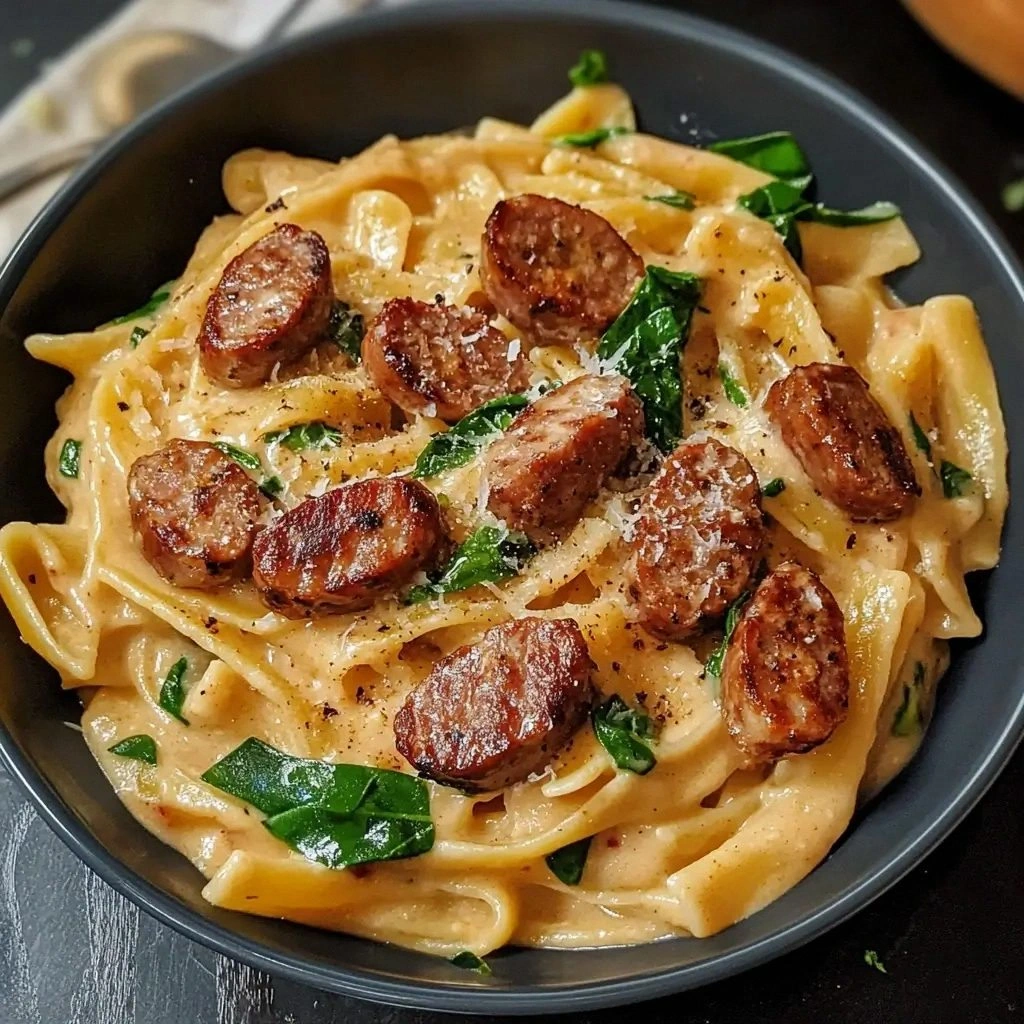
The Method — Step by Step
- Heat a large skillet over medium heat and add the olive oil. Once the oil shimmers, drop in the sliced sausage in a single layer. Let it sear for about 3–4 minutes until the edges start turning golden and crispy. Don’t stir yet; this allows the fat to render and creates a caramelized base for the sauce.
- Remove the sausage and set it aside on a plate lined with paper towels to drain excess grease. In the same pan, add a splash of butter and the diced onion. Sauté until translucent and fragrant, about 3 minutes, letting the onion caramelize slightly for depth of flavor.
- Add the minced garlic and diced red bell pepper to the pan. Cook for another 2 minutes until the peppers soften and the garlic releases its aroma. The mixture should smell toasty, signaling that the base is ready for the next step.
- Return the sausage to the skillet, then pour in the chicken broth. Bring the mixture to a gentle simmer, scraping up any browned bits from the bottom of the pan. These bits are packed with flavor and should be incorporated into the sauce.
- Stir in the heavy cream, bringing the mixture back to a low simmer. Reduce the heat to low, allowing the sauce to thicken slightly. The sauce should coat the back of a spoon without being too runny.
- Add the grated Parmesan, stirring until it melts and integrates into the sauce. The cheese should create a glossy, velvety texture that clings to each pasta strand.
- In a separate pot, cook the pasta according to package instructions until al dente. Reserve a cup of the pasta water before draining to help adjust the sauce consistency later.
- Add the cooked pasta to the skillet, tossing to coat each strand in the creamy sauce. Pour in the fresh spinach, allowing it to wilt into the mixture. If the sauce feels too thick, splash in a little reserved pasta water to reach the desired consistency.
- Season with salt, pepper, and a final pinch of Cajun seasoning. Taste and adjust as needed, ensuring the heat is balanced with the creaminess.
- Serve immediately, garnishing with extra Parmesan or fresh herbs if desired. The dish should feel warm, comforting, and ready to devour.
That's it — you did it. But hold on, I've got a few more tricks that'll take this to another level...
Insider Tricks for Flawless Results
The Temperature Rule Nobody Follows
Cooking the sausage on medium heat allows it to render fat slowly, ensuring the meat stays juicy. If you crank the heat too high, the outside will burn while the inside remains raw. I once tried a high‑heat sauté and ended up with a burnt exterior that tasted like charcoal. The lesson? Keep it steady and let the sausage develop a natural crust.
Why Your Nose Knows Best
Smell the sauce as it simmers; the aroma will tell you when it’s thickened enough. A faint, buttery scent indicates the cream has melded with the cheese. If it still smells raw, give it a few more minutes on low heat. Your nose is the best judge of doneness.
The 5‑Minute Rest That Changes Everything
Let the pasta rest in the sauce for 5 minutes after mixing. This allows the strands to absorb the flavors fully, creating a more cohesive dish. A friend once skipped this step, and the pasta felt disconnected from the sauce. The rest time is the secret to a truly harmonious bite.
The Secret to a Silky Sauce
Always whisk the cream and Parmesan together before adding them to the pan. This prevents lumps and ensures a smooth, glossy finish. If you notice clumps, strain the sauce through a fine mesh sieve for a silky texture.
The Perfect Finish
Finish the dish with a squeeze of fresh lemon juice to brighten the flavors. The acidity cuts through the richness and adds a bright note that lifts the entire plate. I love to add a small splash just before serving.
Creative Twists and Variations
This recipe is a playground. Here are some of my favorite ways to switch things up:
Mediterranean Spin
Swap the Cajun sausage for sun‑dried tomato and feta. Add olives and a splash of white wine. The result is a tangy, Mediterranean‑inspired pasta that’s equally satisfying.
Veggie‑Rich Upgrade
Replace the sausage with sautéed mushrooms and zucchini. Add a handful of sun‑flower seeds for crunch. This variation turns the dish into a hearty vegetarian entrée.
Spicy Kick
Introduce a tablespoon of chipotle in adobo for smoky heat. Finish with a drizzle of sriracha for an extra punch. This version is perfect for heat lovers.
Low‑Calorie Make‑over
Use low‑fat milk instead of heavy cream and skip the cheese. Add a sprinkle of nutritional yeast for a cheesy flavor without the calories.
Cheesy Surprise
Add a handful of shredded mozzarella halfway through cooking. The cheese melts into gooey pockets that contrast with the creamy sauce.
Pasta Swap
Use fettuccine or linguine for a different noodle experience. The wider strands hold more sauce, creating a richer mouthfeel.
Storing and Bringing It Back to Life
Fridge Storage
Store leftovers in an airtight container for up to 3 days. Keep the sauce and pasta separate if you want to preserve texture; reheat together just before serving.
Freezer Friendly
Freeze the cooked pasta and sauce separately in freezer‑safe bags for up to 2 months. Thaw overnight in the refrigerator before reheating.
Best Reheating Method
Reheat on low heat, adding a splash of water or broth to loosen the sauce. Stir frequently to prevent separation. The tiny splash of water steams back to perfection, restoring that silky finish.