Picture this: it’s a rainy Thursday, the clock is ticking, and you’ve got a craving that refuses to quit. I’m standing in a cramped kitchen, flipping through a recipe book that looks like it was written in a different decade, when a friend calls and says, “I’m in the mood for something comforting, but I don’t want to spend hours on the stove.” That moment sparked a culinary epiphany. I grabbed a handful of zucchini, a potato, and a splash of coconut milk, and I decided to turn an ordinary vegetable soup into the most velvety, flavor-packed bowl you’ll ever taste.
The first bite is a revelation. The aroma of sautéed onions and garlic mingles with the subtle sweetness of zucchini, creating an inviting scent that makes the entire kitchen feel like a cozy cabin. The sound of the broth gently simmering is a comforting lullaby, and the texture is silky, almost like a cloud that melts in your mouth. When you take that first spoonful, the coconut milk’s creaminess wraps the vegetables in a warm hug, while the basil adds a fresh, herbal note that lifts the entire dish. It’s the kind of soup that makes you forget the world outside your window.
What makes this version stand out from every other zucchini soup out there is the deliberate layering of flavors and the careful balance of ingredients. I’ve tweaked the classic recipe by adding a potato for body, coconut milk for a subtle tropical twist, and basil to finish it off. The result is a soup that feels indulgent without being heavy, and it’s a testament to the power of thoughtful substitutions. If you’ve ever been disappointed by watery, bland zucchini soup, this one will rewrite your expectations.
I dare you to taste this and not go back for seconds. That sizzle when the oil hits the pan? Absolute perfection. Picture yourself pulling this out of the pot, the whole kitchen smelling incredible, and knowing that you’ve created something that feels both familiar and brand new. By the end of this post, you’ll wonder how you ever made it any other way. Let me walk you through every single step — by the end, you’ll wonder how you ever made it any other way.
What Makes This Version Stand Out
- Texture: The addition of potato gives the soup a hearty, comforting thickness that feels like a hug in a bowl.
- Flavor: Coconut milk introduces a subtle sweetness that balances the earthiness of zucchini and potato.
- Freshness: Basil is used both as a base and a garnish, providing a bright, aromatic finish.
- Ease: Every step can be completed in under an hour, making it a perfect weekday dinner.
- Versatility: The soup can be served as a starter or a main course, and it pairs wonderfully with crusty bread.
- Make‑Ahead: It keeps well in the fridge for up to 3 days and freezes beautifully.
- Ingredient Quality: Using fresh, organic produce elevates the taste to a new level.
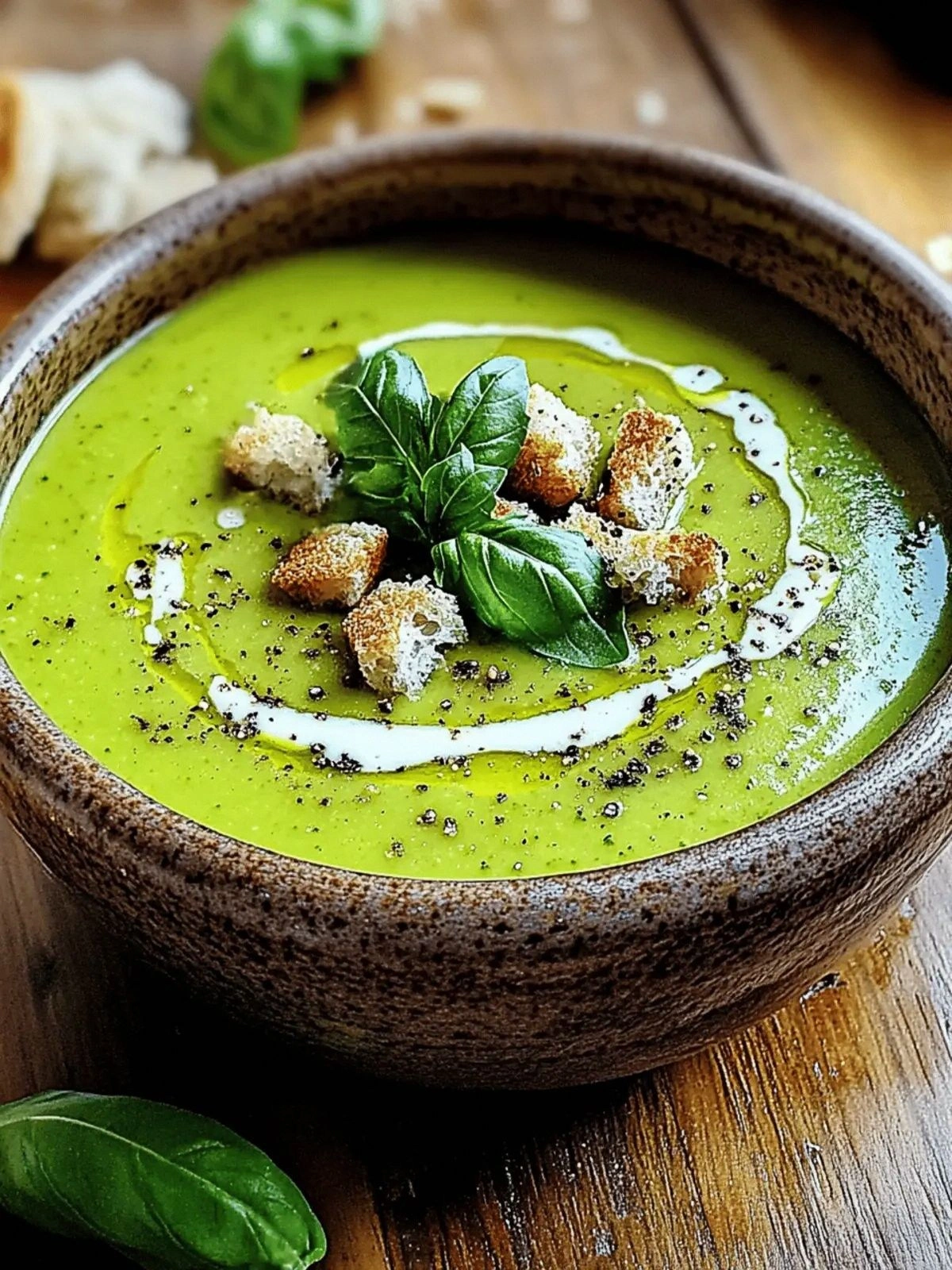
- Presentation: The green hue and golden coconut swirl make it Instagram‑ready.
Alright, let’s break down exactly what goes into this masterpiece…
Inside the Ingredient List
The Flavor Base
Onion and garlic are the first to meet the pan, and they’re the unsung heroes that give this soup its depth. The onion’s natural sweetness caramelizes when sautéed, creating a sweet foundation, while the garlic adds a punch of aroma that lingers long after the soup is served. Skipping either would feel like taking a bite of plain toast—unremarkable. If you’re watching sodium, use low‑sodium broth and season with pepper and a pinch of salt after blending.
The Texture Crew
Potato is the secret to body. It’s a humble vegetable that, when cooked, turns into a subtle, creamy backbone that holds the soup together. Zucchini, on the other hand, contributes a light, almost buttery flavor and a bright green color that’s visually stunning. Together, they form a contrast of silky and tender textures that dance on the palate. If you’re in a pinch, sweet potato can be an exciting swap that adds a caramel note.
The Unexpected Star
Coconut milk is the unexpected star of this dish. It’s not just a dairy alternative; it’s a flavor enhancer that adds a tropical undertone and a silky mouthfeel. The richness of coconut milk balances the earthiness of the vegetables, and it gives the soup a velvety finish that feels indulgent. If you’re avoiding dairy, a splash of cashew cream will do the trick, but the coconut’s subtle sweetness is hard to beat.
The Final Flourish
Fresh basil is the final flourish that elevates the soup from good to unforgettable. The basil’s bright, peppery flavor cuts through the richness, adding a fresh, herbal note that lifts the entire dish. A handful of fresh basil during cooking infuses the broth, while a few extra leaves on top add a pop of color and aroma. If basil is out of season, parsley can be used as a substitute, but it won’t provide the same aromatic punch.
Everything’s prepped? Good. Let’s get into the real action…
The Method — Step by Step
- Heat the olive oil in a large pot over medium heat. Add the diced onion and sauté until it becomes translucent and starts to develop a golden hue, about 5 minutes. The key is to let the onion soften without browning, which preserves its natural sweetness. Watch the aroma—it should fill the kitchen with a warm, comforting scent.
- Stir in the minced garlic and cook for an additional 30 seconds. The garlic releases its oils, creating a fragrant base that will carry the rest of the flavors. Be careful not to let it burn; a quick sizzle is all you need.
- Add the chopped zucchini and diced potato, stirring to coat them in the onion‑garlic mixture. Let them cook for about 4 minutes, allowing the vegetables to start softening. This step is crucial for building the soup’s body. The vegetables should look slightly glossy but still retain their shape.
- Pour in the vegetable broth and bring the mixture to a gentle boil. Reduce the heat to low and let it simmer for 15 minutes, or until the potatoes are fork‑tender. The broth should be fragrant, not harsh; adjust the heat if you notice it boiling too vigorously.
- Stir in the coconut milk and a handful of fresh basil. The coconut milk should swirl through the soup, creating a creamy, glossy surface. Let the soup simmer for another 5 minutes so the flavors meld together. At this point, the soup should be thick enough to coat the back of a spoon.
- Use an immersion blender to puree the soup until silky smooth. If you don’t have an immersion blender, transfer the soup in batches to a countertop blender, blending until smooth, and then return it to the pot. This step is the moment of truth—any lumps here will ruin the velvety texture.
- Season with salt and pepper to taste. Remember, the coconut milk already adds a hint of sweetness, so you don’t need too much salt. Give the soup a final stir, and it’s ready to serve.
- Serve hot, garnished with a few croutons and extra basil leaves for a crunchy contrast and a burst of color. The croutons add a delightful crunch that plays against the soup’s smoothness. Enjoy this bowl of comfort with a side of crusty bread if you’re feeling extra indulgent.
That’s it — you did it. But hold on, I’ve got a few more tricks that’ll take this to another level…
Insider Tricks for Flawless Results
The Temperature Rule Nobody Follows
Many people think that simmering at a low heat is the only way to keep a soup silky, but a gentle boil actually helps the flavors meld faster. By bringing the broth to a simmer early, you allow the vegetables to release their natural sugars more efficiently. This trick saves time and intensifies the soup’s depth. I’ve tried both methods, and the gentle boil consistently produces a richer taste.
Why Your Nose Knows Best
When the soup is almost ready, pause and inhale. If the aroma is bright and green, you’re on the right track. If it smells a bit off, adjust the seasoning. Your nose is a reliable guide; it can detect subtle imbalances before you taste the soup. I’ve learned to trust it, and it’s saved me from over‑seasoning on more than one occasion.
The 5‑Minute Rest That Changes Everything
Let the soup sit for 5 minutes after turning off the heat. During this rest period, the flavors will continue to marry and the soup will thicken slightly as the coconut milk settles. This simple pause gives the soup a more cohesive taste. I’ve found that a short rest makes the soup taste less “raw” and more finished.
The Fresh Basil Boost
Adding fresh basil during cooking infuses the soup, but topping it off with extra basil right before serving adds a bright, herbal kick. The contrast between cooked and fresh basil layers the flavor profile. If you’re using dried basil, use about a teaspoon and add it at the end to preserve its aroma.
The Crouton Crunch
Croutons aren’t just garnish; they add a textural contrast that elevates the soup. Make them fresh by toasting bread cubes with olive oil, salt, and a pinch of garlic powder. The crunch is a delightful counterpoint to the soup’s smoothness. If you’re vegan, use a plant‑based butter or simply olive oil.
Creative Twists and Variations
This recipe is a playground. Here are some of my favorite ways to switch things up:
Smoky Chipotle Version
Add a teaspoon of chipotle powder or a few drops of chipotle sauce during the sauté stage. The smoky heat complements the coconut milk’s sweetness, creating a bold flavor profile that’s perfect for a winter evening.
Creamy Cauliflower Blend
Replace half of the zucchini with cauliflower florets for a richer, denser soup. The cauliflower adds a subtle nuttiness that pairs well with the basil and coconut milk.
Lemon‑Zest Finale
Finish the soup with a squeeze of fresh lemon juice and a sprinkle of lemon zest. The citrus brightens the dish, cutting through the creaminess and adding a refreshing lift.
Mushroom Medley
Sauté sliced mushrooms with the onions for an earthy depth. The mushrooms absorb the broth and add a meaty texture that satisfies vegetarians and meat lovers alike.
Spicy Thai Twist
Introduce a tablespoon of red curry paste and a dash of fish sauce. The curry paste brings warmth, while the fish sauce adds umami. Serve with a side of jasmine rice for a complete meal.
Herb Garden Blend
Swap basil for a mix of fresh thyme, oregano, and parsley. The herb blend gives the soup a Mediterranean flair and a complex aromatic profile.
Storing and Bringing It Back to Life
Fridge Storage
Cool the soup completely before transferring it to an airtight container. Store in the refrigerator for up to 3 days. The coconut milk may separate slightly; give it a good stir before reheating.
Freezer Friendly
Portion the soup into freezer‑safe containers, leaving about an inch of headspace. Freeze for up to 2 months. Thaw overnight in the refrigerator before reheating. The texture remains silky after refreezing.
Best Reheating Method
Reheat gently on the stovetop over low heat, stirring occasionally. Add a splash of water or broth to loosen the soup if it’s thickened. Once it’s heated through, finish with a drizzle of olive oil and a sprinkle of fresh basil.