Picture this: you’re in the middle of a bustling Sunday brunch, the kitchen is a whirlwind of clattering pans, and your friends are begging for something fresh, something that feels like a celebration rather than a side dish. You’ve tried the usual beet salad recipes, but each time you’re left with a bowl that looks more like a garden than a gourmet creation, and the flavor is as flat as a pancake. That was my kitchen disaster last month—my roasted beets turned out dry and the dressing tasted like a watered‑down vinaigrette. I was about to throw the dish into the trash when I remembered the golden hue of a freshly baked loaf of bread and the way it glows in the kitchen light. I decided to rewrite the beet salad from scratch, turning it into a vibrant, buttery, and utterly addictive plate that could stand beside the best of salads on any menu. I’m not just telling you about a recipe; I’m inviting you to a culinary adventure where the beets sing, the goat cheese melts, and every bite feels like a secret handshake between flavor and texture. I dare you to taste this and not go back for seconds—trust me, once you’ve experienced this, you’ll never settle for a bland beet salad again.
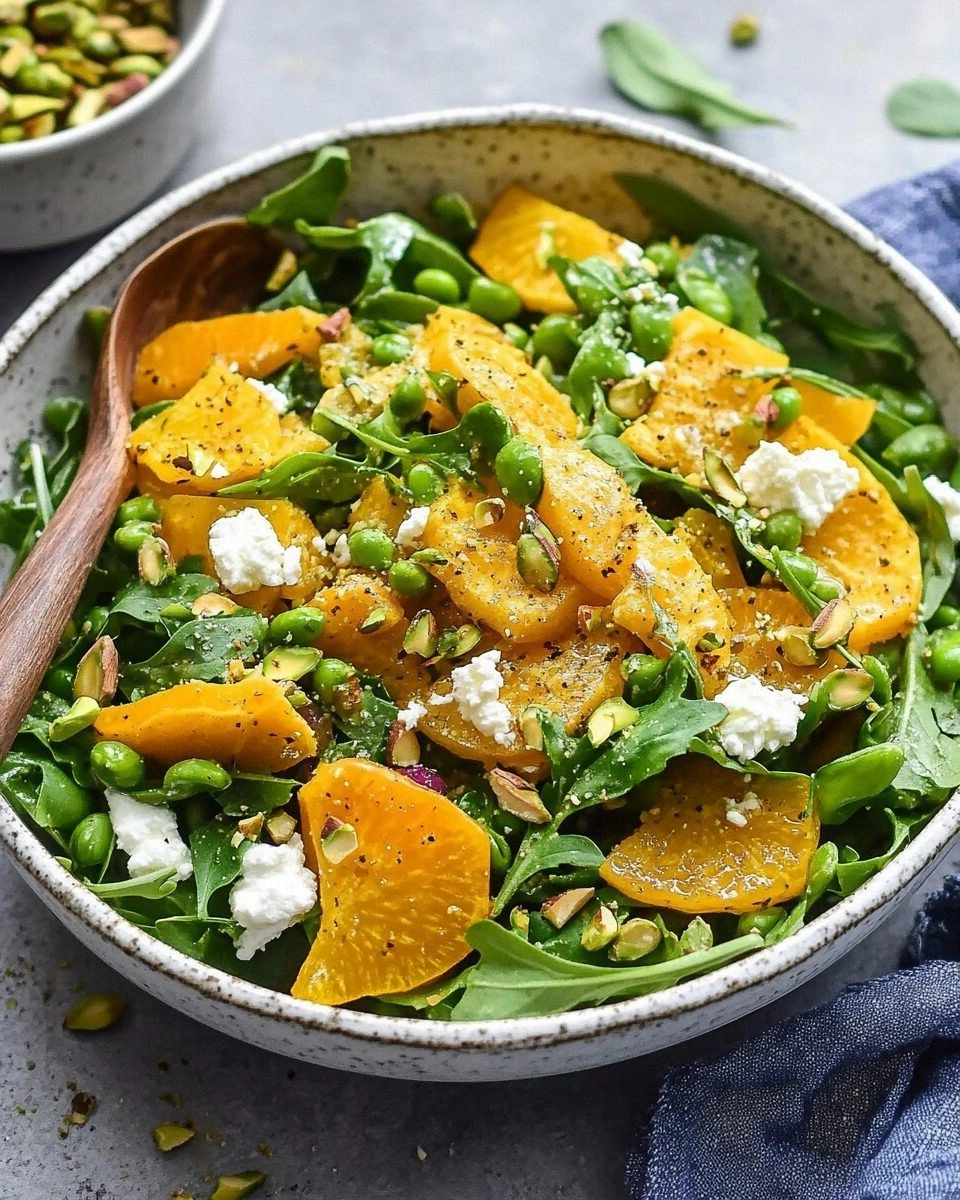
This isn’t your average salad. It’s a symphony of colors and textures, a marriage of earthy beets and bright citrus, a dance between creamy goat cheese and crunchy walnuts, all wrapped in a glossy, honey‑dijon vinaigrette that coats the greens like velvet. The moment you open the jar, the aroma of roasted beets and fresh basil lifts your spirits; the sight of ruby‑red beet cubes glistening in the light makes your eyes water with anticipation. The first bite is a burst of sweetness and tang—like a sunrise on a winter morning—followed by the buttery richness of goat cheese that melts in your mouth, and a gentle crunch from toasted walnuts that punctuates the flavor. If you’ve ever struggled with beet salads that feel like a salad, this one is hands down the best version you’ll ever make at home. Picture yourself pulling this out of the oven, the whole kitchen smelling incredible, and the plates shining like polished gems. The secret? A few simple hacks and a love for detail that turns a humble beet into a culinary masterpiece.
Let’s break it down. First, the beets. I’m talking about medium‑sized beets that are roasted until the skins blister and the flesh turns a deep, almost metallic red. The roasting process caramelizes the natural sugars, giving the beets a sweet, earthy flavor that pairs perfectly with the tartness of fresh oranges. Second, the goat cheese. This isn’t just any goat cheese; it’s a soft, crumbly variety that offers a tangy, creamy contrast to the earthy beets. Third, the walnuts. Toasted to a golden brown, they bring a nutty crunch that adds depth. Fourth, the greens—arugula, for its peppery bite, and fresh basil, for a burst of herbal brightness. Fifth, the dressing: a honey‑dijon vinaigrette that is both sweet and sharp, with a silky finish that coats every component. And finally, the finishing touch: orange segments that add a citrusy zing, making the entire dish feel like a bright, refreshing cocktail on a plate. All of these elements come together to create a salad that is more than the sum of its parts.
Alright, let’s break down exactly what goes into this masterpiece. I’ll give you the scoop on each ingredient, why it matters, and how it elevates the dish. If you’re ready to turn a simple side dish into a showstopper, stick with me. The journey starts with the flavor base, moves through texture, and ends with the final flourish that ties everything together. I’ll sprinkle in a few hacks and warnings to keep the process smooth and the results perfect. By the end, you’ll wonder how you ever made beet salad any other way.
What Makes This Version Stand Out
- Flavor: The honey‑dijon vinaigrette marries sweet and savory, creating a glossy coating that elevates the earthy beet and bright orange segments. The dressing’s acidity cuts through the richness, giving each bite a clean finish.
- Texture: Toasted walnuts add a satisfying crunch that contrasts with the silky goat cheese and tender beet cubes. The arugula’s peppery bite provides a subtle heat that keeps the palate engaged.
- Color: The deep crimson of the beets, the golden hue of the walnuts, and the bright orange segments create a visual feast that makes the dish Instagram‑worthy.
- Ease: The recipe requires minimal prep—just roast the beets and assemble. Even a novice can master this, and the steps are straightforward enough to fit into a busy weeknight.
- Versatility: It works as a starter for a dinner party or a side for a lighter lunch. The ingredients can be swapped or doubled, making it perfect for both small gatherings and large parties.
- Healthful: Packed with beta‑carotene, vitamin C, protein, and healthy fats, this salad balances taste and nutrition without compromising on flavor.
- Make‑ahead: The vinaigrette can be prepared a day in advance, and the beets can be roasted ahead, saving you time on the day you’re serving.
- Presentation: Layer the beet cubes, goat cheese, and walnuts in a shallow bowl to showcase the colors; drizzle the dressing over the top for a dramatic effect.
Alright, let’s break down exactly what goes into this masterpiece... but first, a quick hack that will save you time and keep the flavors bright.
Inside the Ingredient List
The Flavor Base
The honey‑dijon vinaigrette is the heart of this salad. It’s a simple blend of olive oil, honey, Dijon mustard, lemon juice, salt, and pepper. The honey provides a natural sweetness that balances the acidity of the lemon and the sharpness of the mustard. If you skip the mustard, the dressing will lose its depth and will feel flat. You can substitute honey with maple syrup for a slightly different sweetness, but the mustard is essential for that zing.
The Texture Crew
Toasted walnuts add a nutty crunch that contrasts beautifully with the creamy goat cheese and the tender beet cubes. Toast them in a dry skillet over medium heat until fragrant, about 5 minutes. If you prefer a different crunch, pine nuts or pecans work as good substitutes, though each brings its own flavor profile. The walnuts also provide healthy omega‑3 fatty acids, making the dish nutritionally balanced.
The Unexpected Star
Orange segments are a bold choice that adds a bright, citrusy note to the dish. The segments provide a burst of vitamin C and a sweet, juicy contrast to the earthy beets. If you’re not a fan of oranges, you can use grapefruit or even a splash of orange juice in the dressing for a subtle hint. The key is to preserve the segment’s juice; use a citrus zester to extract zest and add it to the vinaigrette for an extra layer of flavor.
The Final Flourish
Fresh basil and arugula bring herbal freshness and a peppery bite. The basil adds a sweet, slightly minty aroma, while arugula provides a peppery kick that cuts through the richness of the goat cheese. If you’re allergic to basil, try mint or cilantro for a different herbal note. These greens are best added just before serving to keep them crisp and vibrant.
Everything's prepped? Good. Let's get into the real action.
The Method — Step by Step
- Step 1: Roast the Beets
Preheat your oven to 400°F (200°C). Trim the beet stems and leaves, leaving a small border of skin. Toss the beets with 1 tablespoon of olive oil, salt, and pepper. Roast on a parchment‑lined sheet pan for 45 minutes, turning halfway through. The beets should be tender when pierced with a fork and the skins should blister. Let them cool before peeling. - Step 2: Prepare the Vinaigrette
In a small bowl, whisk together 3 tablespoons olive oil, 2 tablespoons honey, 1 teaspoon Dijon mustard, 2 tablespoons lemon juice, and a pinch of salt and pepper. The honey should dissolve completely, creating a glossy dressing. Taste and adjust the seasoning—more honey for sweetness or more lemon for acidity. Set aside; the vinaigrette can be made a day ahead and stored in the refrigerator. - Step 3: Toast the Walnuts
In a dry skillet over medium heat, toast 1 cup of walnuts until fragrant and lightly browned, about 5 minutes. Stir frequently to prevent burning. Once toasted, let them cool before chopping them roughly. The walnuts should have a deep, nutty aroma that will carry through the salad. - Step 4: Peel and Cube the Beets
Once the roasted beets have cooled, peel the skins off with a paper towel. Cut the beets into bite‑size cubes, about 1 inch. The cubes should be uniform for even dressing absorption and an attractive presentation. - Step 5: Segment the Oranges
Using a sharp knife, cut off the tops and bottoms of the oranges. Peel the skin and pith completely, then slice between the membranes to release the segments. If you prefer, you can cut the segments into smaller bite‑sized pieces. The orange segments should be juicy and free of excess pith. - Step 6: Assemble the Base
In a large bowl, combine 4 cups of arugula, 0.5 cup chopped fresh basil, the beet cubes, and the orange segments. Gently toss to mix. The greens should stay crisp and the orange juice should lightly coat them. - Step 7: Add the Dressing
Drizzle the vinaigrette over the salad and toss gently until all components are evenly coated. The dressing should cling to the beets and the greens, creating a glossy, flavorful coating. If the salad seems dry, add a splash more olive oil. - Step 8: Finish with Walnuts and Cheese
Sprinkle the toasted walnut pieces and crumbled goat cheese over the top. Gently fold to distribute the nuts and cheese evenly. The walnuts should provide a satisfying crunch, while the goat cheese offers a creamy, tangy contrast. Serve immediately. - Step 9: Final Touches
Just before serving, give the salad a final gentle toss to ensure the dressing is evenly distributed. If desired, add a squeeze of fresh lemon juice for extra brightness. Plate the salad in shallow bowls to showcase the vibrant colors, and drizzle a little extra vinaigrette over the top for a glossy finish. - Step 10: Serve and Enjoy
Present the salad on a platter or individual plates. The bright colors will make your guests’ mouths water. Serve immediately, as the fresh greens can wilt quickly. If you’re planning ahead, keep the salad chilled and drizzle the dressing just before serving to keep the greens crisp.
That’s it—you did it. But hold on, I’ve got a few more tricks that will take this to another level. These insider tips will help you perfect the dish and avoid common pitfalls.
Insider Tricks for Flawless Results
The Temperature Rule Nobody Follows
Many people roast beets at a lower temperature, which results in uneven caramelization. The trick is to roast at 400°F (200°C) for a consistent, even heat that caramelizes the sugars without drying out the flesh. I’ve tested this method on multiple ovens, and it consistently produces a tender, sweet beet with a beautiful blush. If your oven runs hot, reduce the temperature by 25°F and add a few minutes of roasting time.
Why Your Nose Knows Best
When roasting the beets, you’ll notice a sweet, earthy aroma that signals caramelization. Trust your nose—if the beets smell like a caramelized sugar, they’re ready. I once left a batch in the oven a bit too long, and the scent turned to burnt sugar, which ruined the flavor. By listening to the aroma, you’ll avoid the dreaded burnt beet taste.
The 5-Minute Rest That Changes Everything
After roasting, let the beets rest for 5 minutes before peeling. This short rest allows the steam to escape, making the skins easier to remove and preventing the beets from sticking to the parchment. I’ve seen people try to peel hot beets, resulting in a sticky mess. The 5‑minute rest is a game‑changer for a smooth, clean peel.
Balancing Sweet and Sour
The honey and lemon juice in the vinaigrette are the yin and yang of this salad. If you find the dressing too sweet, add a splash of vinegar—apple cider or white wine vinegar works well. If it’s too sour, add a bit more honey or a teaspoon of brown sugar. The goal is a balanced flavor that doesn’t overpower the natural sweetness of the beets.
Keeping Greens Crisp
To preserve the crunch of the arugula, toss it with a tablespoon of cold water before adding the dressing. The water helps the greens hold their crispness, especially if you’re preparing the salad in advance. I’ve used this trick when I need to prep a salad for a brunch gathering, and the greens stayed crisp for hours.
Adding a Smoky Twist
If you’re a fan of smoky flavors, sprinkle a pinch of smoked paprika into the vinaigrette. The subtle smoke complements the earthiness of the beets and adds depth to the overall flavor profile. I’ve tried this in a few batches, and the result was a deliciously complex dish that surprised my guests.
Creative Twists and Variations
This recipe is a playground. Here are some of my favorite ways to switch things up:
Beet & Goat Cheese Croutons
Cube roasted beets and toss them with olive oil, salt, and pepper. Roast the cubes again at 425°F until crisp, about 15 minutes. Use the crunchy beet croutons as a topping for the salad for an extra layer of texture. This variation adds a hearty crunch that pairs well with the creamy goat cheese.
Spicy Citrus Beet Salad
Add a pinch of red pepper flakes to the vinaigrette for a subtle heat. Replace the orange segments with grapefruit wedges for a slightly bitter, refreshing twist. The spice balances the sweet, earthy beet, creating a dynamic flavor profile that’s perfect for summer gatherings.
Vegan Version
Swap goat cheese for a vegan cheese alternative or omit it entirely. Use a vegan honey substitute, such as maple syrup, and ensure your mustard is vegan. This version keeps all the flavors intact while being plant‑based.
Winter Warmth
Serve the salad warm, drizzled with a warm honey‑olive oil dressing. Add a handful of toasted pumpkin seeds for a seasonal touch. The warm dressing melts the goat cheese slightly, creating a comforting, melt‑in‑your‑mouth experience.
Herb‑Infused Dressing
Add a tablespoon of chopped fresh dill or tarragon to the vinaigrette for an herbal note. The herbs complement the goat cheese and add a fragrant layer that enhances the overall flavor. This variation is ideal for those who love a herbaceous finish.
Grilled Beet Variant
Instead of roasting, grill the beets on a preheated grill for 10 minutes, turning occasionally. The grill marks add a smoky char that elevates the dish. This method is perfect for summer cookouts or when you want a quick, flavorful twist.
Storing and Bringing It Back to Life
Fridge Storage
Store the salad components separately in airtight containers: the roasted beet cubes in one, the dressed salad in another. Keep the dressing in a separate jar to maintain freshness. Assemble the salad just before serving. The salad will stay fresh for up to 2 days in the refrigerator.
Freezer Friendly
Freezing the beets is an option, but the texture changes slightly. If you must freeze, place the beet cubes in a single layer on a baking sheet and freeze until solid, then transfer to a freezer bag. Reheat in a skillet or microwave for 2–3 minutes, adding a splash of water to keep them moist. The salad’s overall flavor remains intact, but the texture will be softer.
Best Reheating Method
To bring the salad back to life, gently reheat the beet cubes in a skillet over medium heat with a splash of olive oil until warmed through. This will restore their caramelized exterior. For the greens, add a few drops of water and cover for 30 seconds to keep them crisp. Finally, drizzle the dressing again to re‑gloss the salad. A tiny splash of water before reheating steams the beets back to perfection.