Mashed Potato Cheese Puffs: A Deliciously Cheesy Twist on a Classic Comfort Food
I was standing in my kitchen at 11:47 PM on a Tuesday night, staring at a bowl of leftover mashed potatoes that had been haunting my refrigerator for three days. The cold, congealed mass looked about as appetizing as a hockey puck, but something in my late-night hunger haze whispered, "What if we could turn this sad spud situation into something absolutely magical?" That whisper turned into a full-blown obsession, and after three batches, two minor burns, and one very happy dog who got to taste-test the failures, I stumbled upon what might be the greatest leftover transformation in culinary history.
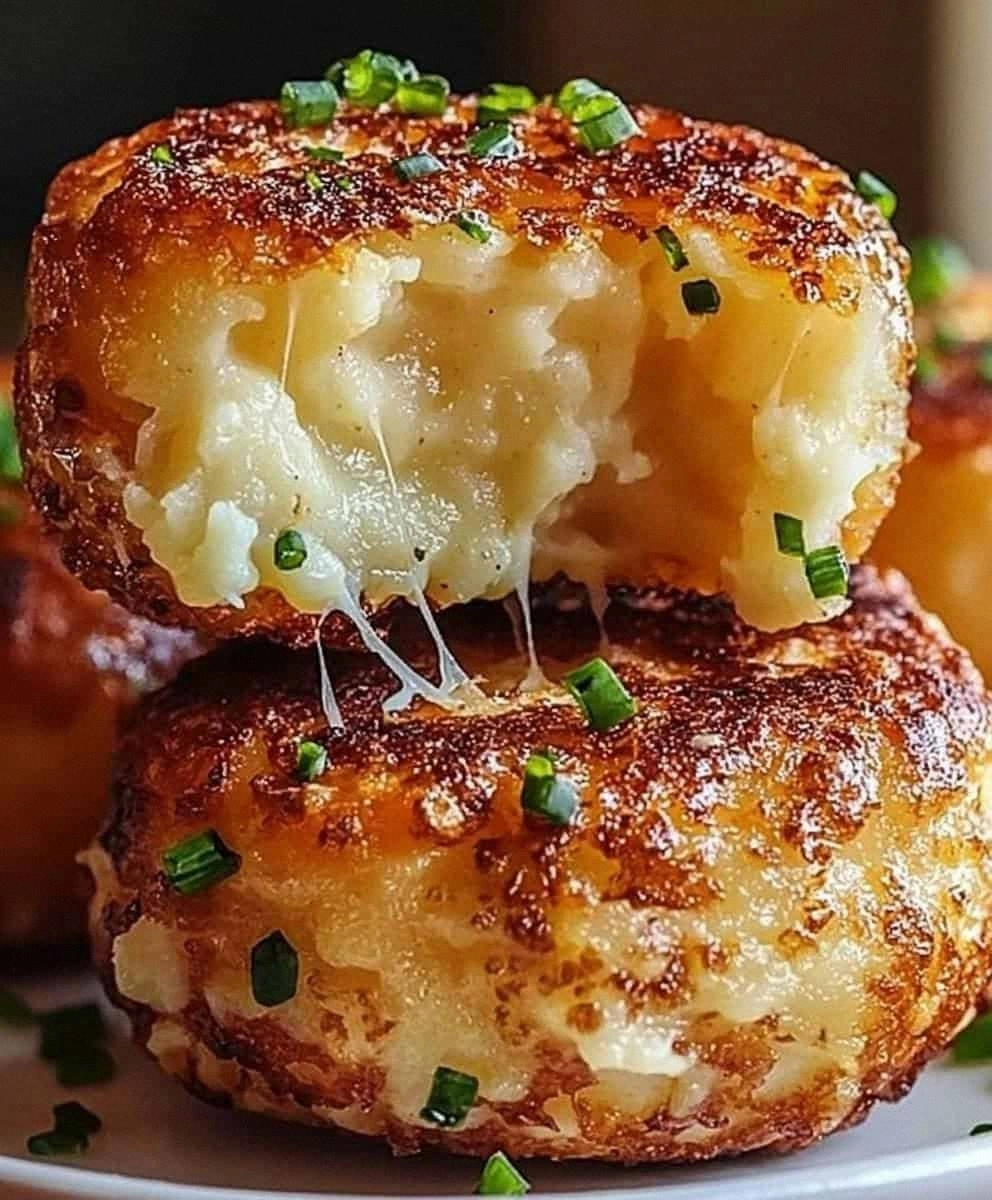
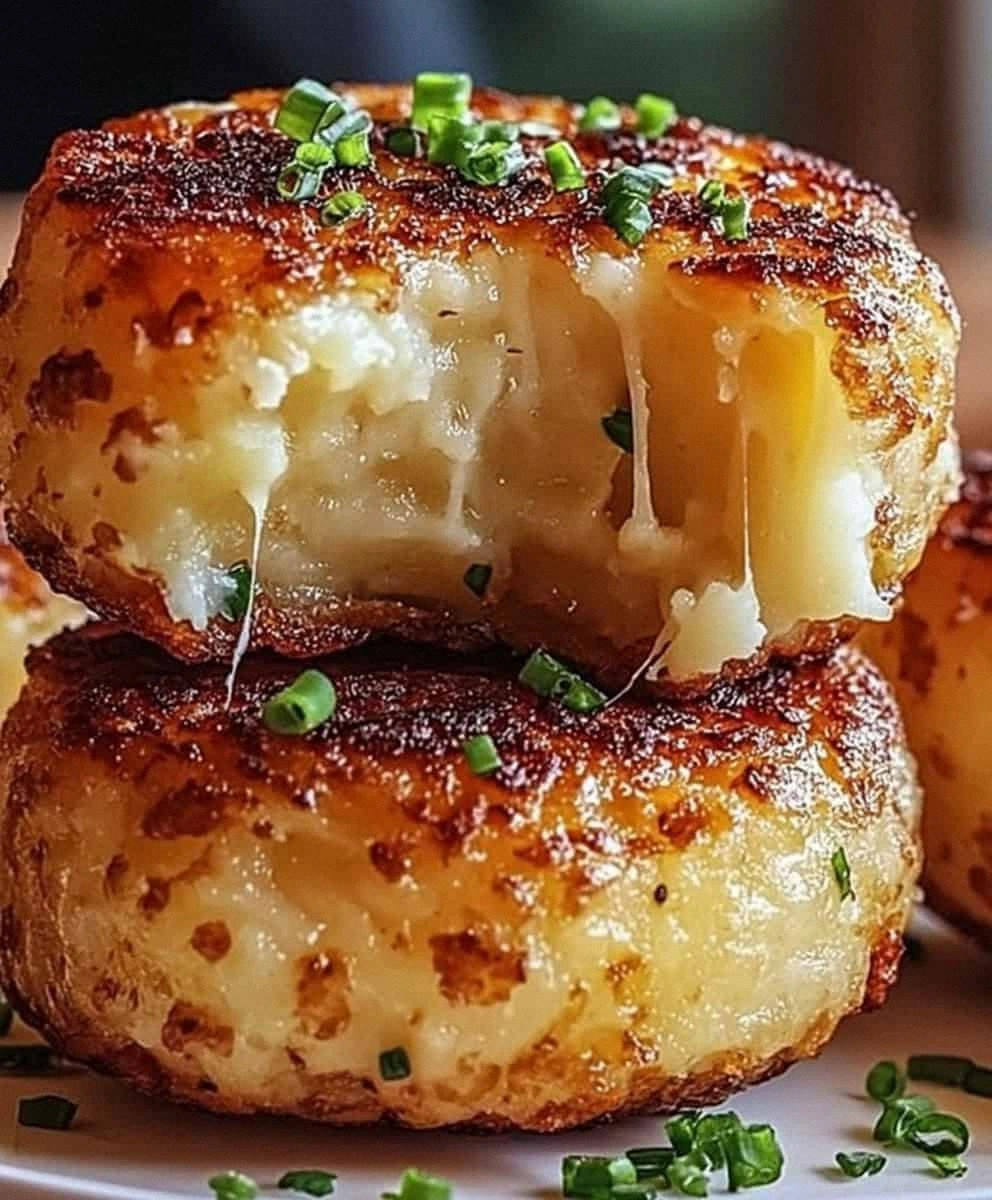
Picture this: golden-brown spheres of creamy potato heaven, their exteriors shatteringly crisp like the thinnest potato chip, giving way to a molten center that stretches into cheese pulls worthy of a food commercial. The aroma that fills your kitchen is somewhere between a loaded baked potato and the world's most sophisticated comfort food. I dare you to taste these piping hot from the oil and not immediately go back for seconds, thirds, and maybe fourths — I'll be honest, I ate half the batch before anyone else even knew they existed.
Most recipes for potato puffs get it completely wrong. They treat mashed potatoes like some fragile ingredient that needs to be coddled and babied, resulting in sad, deflated blobs that taste like disappointment with a hint of flour. Here's what actually works: treating those potatoes like the flavor-absorbing, cheese-carrying superheroes they truly are. We're going to transform yesterday's side dish into today's star attraction, and by the end of this journey, you'll wonder how you ever let leftover mashed potatoes go to waste.
The secret lies in understanding that mashed potatoes aren't just potatoes — they're a blank canvas that's already been primed with butter, cream, and love. When you add the right combination of cheeses, seasonings, and binding agents, something alchemical happens. The puffs rise like little golden suns, their surfaces developing the kind of crispy edges that make that perfect shattering sound when you bite into them. Stay with me here — this is worth it, and by the time we're done, you'll have a recipe that makes professional chefs ask for your secrets.
What Makes This Version Stand Out
Cheese Integration: Unlike other recipes that just fold cheese into the mixture and hope for the best, we're creating a dual-cheese system where shredded cheese melts into every crevice while Parmesan forms a crispy, salty crust on the outside. This isn't just about adding cheese — it's about engineering cheese distribution for maximum impact in every single bite.
Texture Alchemy: The combination of leftover mashed potatoes (which have naturally dried out slightly) with just enough flour creates a texture that's neither too dense nor too airy. We're talking about puffs that hold their shape like champs but still melt in your mouth like the best potato croquettes you've ever had.
Flavor Layering: Most recipes stop at salt and pepper, but we're building a flavor profile that includes garlic powder, onion powder, and a whisper of paprika that doesn't announce itself but makes everything taste more interesting. It's like adding a bass line to a song — you might not notice it consciously, but you'd miss it if it were gone.
Fool-Proof Frying: I've tested the temperature range more times than I care to admit, and 350°F is the sweet spot where the exterior crisps perfectly while the interior heats through without becoming greasy. Too hot and they burn outside while staying cold inside; too cool and they absorb oil like tiny potato sponges.
Make-Ahead Magic: These puffs can be formed, frozen on a baking sheet, then stored for up to three months. When you're ready to serve, they go straight from freezer to oil with just an extra minute of cooking time. Having a party? You can prep these days in advance and look like a culinary superhero.
Leftover Luxury: This recipe was literally born from leftovers, which means it's designed to make the most of what you have. Those mashed potatoes that have been sitting there, developing character and losing moisture? They're actually perfect for this application.
Crowd Psychology: Serve these at a gathering and watch what happens. People who swear they're "not really into fried food" will hover by the serving plate. Vegetarians and meat-lovers alike will ask for the recipe. Someone will definitely try to sneak extras into their purse.
Breakfast Potential: Here's where it gets wild — these reheat beautifully in a toaster oven, making them legitimate breakfast contenders. Imagine waking up, popping a few puffs in the toaster, and having crispy-cheesy potato perfection in under five minutes. You're welcome.
Inside the Ingredient List
The Foundation: Potatoes with Personality
The star of our show is two cups of mashed potatoes, and here's where most people go wrong — they think any mashed potatoes will do. But the best puffs come from potatoes that have been sitting in your fridge for at least a day. These cold, slightly dried-out spuds have developed character and texture that fresh mash simply can't match. The starches have retrograded (that's the technical term for getting their act together), which means your puffs will hold their shape instead of collapsing into sad little puddles. If your potatoes are loaded with butter and cream, even better — that fat content is going to create the most luxurious texture inside your puffs.
The Dynamic Duo: Cheddar and Parmesan
We're using a full cup of shredded cheese because we're not here to play around with subtlety. Cheddar brings that sharp, tangy personality that cuts through the richness of the potatoes, while mozzarella adds that Instagram-worthy stretch when you pull them apart. But here's the real secret weapon: Parmesan cheese on the outside creates a frico-like crust that shatters between your teeth. Don't even think about using that powdered stuff in the green can — we're talking about real, freshly grated Parmigiano-Reggiano that melts and crisps into something that'll make you weak in the knees.
The Binding Brigade: Eggs and Flour
Two large eggs aren't just for show — they're the glue that holds our dreams together. The proteins in the egg create a network that traps steam during frying, giving us those perfectly puffed spheres. Half a cup of all-purpose flour might seem excessive, but it's the difference between potato puffs and potato soup with aspirations. The flour absorbs excess moisture from the potatoes and creates structure that keeps everything together. If you're feeling adventurous, you can substitute half the flour with cornstarch for an even crispier exterior.
The Flavor Coalition: Seasonings and Aromatics
Garlic powder and onion powder are doing the heavy lifting here, creating that savory backbone that makes people say, "I can't quite identify what makes these so addictive." The salt isn't just for seasoning — it helps draw out moisture and concentrate flavors. Black pepper adds a gentle heat that builds as you eat, while paprika brings a subtle smokiness and gorgeous color. And if you add the optional chives, they provide little pops of fresh onion flavor that keep things interesting. These aren't just supporting players — they're the difference between good puffs and legendary puffs.
The Method — Step by Step
- Start by taking your cold mashed potatoes out of the fridge and letting them come to room temperature for about 15 minutes. This isn't just about being nice to your potatoes — cold potatoes don't mix well with other ingredients, and you'll end up with a lumpy mixture that refuses to cooperate. While you're waiting, grate your cheese if you haven't already, and measure out all your other ingredients. There's nothing worse than getting halfway through mixing and realizing your eggs are still in the fridge. Trust me, I've been there, and scrambling around with potato-covered hands is not a good look.
- In a large bowl, combine your room-temperature mashed potatoes with the shredded cheese, Parmesan, garlic powder, onion powder, salt, pepper, and paprika. Use a sturdy spoon or spatula to mix everything together, but don't go crazy — you want to combine without turning the potatoes into glue. The mixture should look like a party where everyone's invited but nobody's getting too rowdy yet. If you're using chives, fold them in now so they distribute evenly without getting bruised and turning your mixture green. Take a small taste at this point and adjust the seasoning if needed — remember, the flavors will mellow slightly during cooking.
- Now for the game-changing moment: crack in your eggs one at a time, mixing gently after each addition. The first egg will seem like it's making everything too wet, but have faith — the second egg will bring it all together into a cohesive mixture that's slightly sticky and holds its shape when pressed. This is where most recipes tell you to add flour immediately, but we're going to wait. Let the egg and potato mixture sit for exactly five minutes. This resting period allows the egg proteins to start bonding with the potato starches, creating a stronger structure that won't fall apart in the oil.
- Sprinkle the flour over the potato mixture and fold it in with a gentle hand. This isn't bread dough — you don't need to knead or overmix. Just fold until there are no dry pockets of flour visible. The mixture should feel like play-dough that's been left out for an hour: pliable, slightly firm, and not at all sticky. If it's still too wet to roll into balls, add flour one tablespoon at a time until you reach the right consistency. But be careful — too much flour and your puffs will taste like fried library paste.
- Time to form your puffs, and this is where you can really get into a zen state. Scoop up about two tablespoons of mixture and roll it gently between your palms into a sphere. Don't compress too hard — you want them to hold together but still have some air inside. Place each formed puff on a parchment-lined baking sheet and keep going until you've used all the mixture. You should get about 20-24 puffs, depending on how generous your scoops are. If the mixture starts sticking to your hands, just rinse them with cold water and dry thoroughly.
- Heat your oil in a heavy-bottomed pot or deep fryer to exactly 350°F. I cannot stress this enough — use a thermometer. Guessing the temperature is like trying to guess if your cake is done by looking at it through the oven door. The oil should be about 2 inches deep, which is enough for the puffs to float freely without touching the bottom. While the oil is heating, line a plate with paper towels for draining, and mentally prepare yourself for the magic about to happen. That moment when the oil reaches temperature and shimmers like a mirage? Pure kitchen poetry.
- Carefully lower 4-5 puffs into the hot oil using a slotted spoon. Don't crowd the pot — they need room to dance. They'll sink for about 10 seconds, then start to rise and bob like happy little buoys. This is the moment of truth: if they fall apart now, your oil isn't hot enough. If they brown too quickly on the outside while staying cold inside, your oil is too hot. Fry for 3-4 minutes, turning occasionally with your spoon, until they're golden brown and look like they belong in a food magazine. The sizzle should sound like applause — steady and enthusiastic.
- Remove the puffs with your slotted spoon and let them drain on the paper towel-lined plate. They'll continue to crisp as they cool, so don't panic if they seem slightly soft when they first come out. While they're draining, admire your handiwork — these golden orbs are the result of leftover potatoes and a dream. Repeat with the remaining puffs, making sure the oil returns to 350°F between batches. The anticipation builds with each batch, and by the time you're frying the last ones, you'll have people hovering in your kitchen asking when they can taste one.
- The final step is crucial: let them rest for exactly five minutes before serving. This isn't just about avoiding burned tongues (though that's important too). During this rest, the interior steam redistributes, the cheese sets slightly, and the exterior achieves its maximum crispiness. Break one open — you should see strings of melted cheese stretching like telephone wires, and the inside should be molten and inviting. Sprinkle with a little extra salt while they're still hot, maybe some fresh chives if you're feeling fancy, and prepare for the compliments to roll in.
Insider Tricks for Flawless Results
The Temperature Rule Nobody Follows
Here's the thing about frying temperature — it drops the moment you add food. Most recipes tell you to heat oil to 350°F, but they don't mention that it'll drop to 325°F the second you add your puffs. The pros compensate by heating to 375°F initially, then adjusting down to maintain 350°F. This gives you a crispy exterior while ensuring the inside heats through properly. A friend tried skipping this step once and served potato puffs that were burnt outside and refrigerator-cold inside. Don't be that friend.
Why Your Nose Knows Best
Your sense of smell is your secret weapon for perfect timing. When the puffs first go in, you'll smell raw potato and oil. As they cook, the aroma shifts to something that smells like the best loaded baked potato you've ever had. When they're nearly done, you'll get a nutty, almost popcorn-like scent. That's your cue to start checking for doneness. If you wait until they're already brown, they'll be overdone by the time you get them out. Trust your nose — it's been evolving for millions of years to detect exactly when food is perfectly cooked.
The 5-Minute Rest That Changes Everything
I know it's tempting to dive right in, but those five minutes of resting time aren't just for show. During this period, the residual heat continues to cook the very center while the exterior steam escapes, creating that perfect contrast of crispy outside and creamy inside. More importantly, the cheese sets slightly, so when you bite in you get that perfect cheese pull instead of having molten cheese flood out and burn your chin. I've seen people skip this rest and end up with cheese burns that ruined their whole evening. Be patient — your face will thank you.
The Freezer Advantage
Here's a restaurant secret: frozen puffs actually fry up better than fresh ones. The freezing process creates tiny ice crystals that, when fried, leave behind microscopic air pockets. This results in an even lighter, crispier texture. Form all your puffs, freeze them on a baking sheet until solid, then transfer to freezer bags. They'll keep for three months, and you can fry them straight from frozen — just add an extra minute to the cooking time. Having a bag of these in your freezer is like having a secret weapon for unexpected guests or late-night cravings.
Creative Twists and Variations
This recipe is a playground. Once you master the basic technique, you can customize these puffs to match any craving or occasion. The base recipe is your canvas, and these variations are just the beginning of what you can create.
The Loaded Baked Potato Version
Fold in 1/4 cup of crumbled cooked bacon and 2 tablespoons of sour cream to the potato mixture. Replace half the cheddar with smoked Gouda for that authentic baked potato flavor. Serve with a side of sour cream mixed with chives for dipping. These taste exactly like a loaded baked potato but in finger-food form, and they're always the first to disappear at parties.
The Jalapeño Popper Remix
Add 2 tablespoons of diced pickled jalapeños and 1 teaspoon of the pickling liquid to the mixture. Swap out the cheddar for pepper Jack cheese, and add 1/4 teaspoon of cayenne to the flour. The result is a puff that starts creamy and cheesy, then delivers a pleasant heat that builds as you eat. Serve with ranch dressing for cooling contrast, or embrace the heat and offer them as-is for spice lovers.
The Mediterranean Dream
Replace the chives with 2 tablespoons each of minced fresh dill and mint. Use feta cheese instead of Parmesan, and add 1/2 teaspoon of lemon zest to the mixture. The fresh herbs brighten the rich potatoes, while the salty feta creates these amazing little crispy pockets throughout each puff. These pair beautifully with a yogurt-based dipping sauce or just a squeeze of fresh lemon.
The Breakfast of Champions
Mix in 1/4 cup of finely diced ham and 2 tablespoons of finely chopped green bell pepper. Use sharp white cheddar for the cheese component, and add 1/4 teaspoon of mustard powder to enhance the breakfast flavors. These taste like the best breakfast hash you've ever had, but in convenient puff form. Serve with maple syrup for dipping — trust me on this one — or alongside scrambled eggs for the ultimate weekend brunch.
The Truffle Shuffle
For an ultra-luxurious version, add 1 teaspoon of truffle oil to the potato mixture and use a combination of Gruyère and fontina cheeses. The truffle oil is potent, so don't be tempted to add more. These puffs taste like something you'd pay $18 for at a fancy restaurant, but they cost pennies to make. Reserve these for special occasions when you want to impress without breaking the bank.
The Sweet Potato Plot Twist
Substitute sweet potato mash for half the regular potatoes, add 1/4 teaspoon of cinnamon and a pinch of nutmeg, and use smoked mozzarella for the cheese. The sweet-savory combination is unexpectedly addictive, and the orange color makes them stand out on any appetizer table. These are particularly popular during fall and winter months when people are craving comfort food with a twist.
Storing and Bringing It Back to Life
Fridge Storage
Store any leftover puffs in an airtight container in the refrigerator for up to 3 days. Line the container with paper towels to absorb excess moisture, and place another paper towel on top before sealing. Don't stack them more than two layers deep — they need breathing room to maintain their texture. If they seem a bit soggy when you take them out, don't panic. The reheating process will restore most of their original glory.
Freezer Friendly
These puffs freeze beautifully either before or after frying. For un-fried puffs, arrange them on a baking sheet and freeze until solid, then transfer to freezer bags with parchment between layers. They'll keep for up to 3 months and can be fried straight from frozen. For fried puffs, let them cool completely, then freeze in a single layer before transferring to bags. Frozen fried puffs are best reheated in a 400°F oven for 12-15 minutes until hot and crispy.
Best Reheating Method
The microwave is your enemy here — it'll turn your crispy puffs into sad, soggy lumps. Instead, reheat them in a 375°F oven on a wire rack set over a baking sheet for 8-10 minutes. The wire rack allows hot air to circulate underneath, ensuring they reheat evenly and stay crispy. For smaller quantities, a toaster oven works even better. Add a tiny splash of water to the baking sheet before reheating — it'll create steam that helps heat the centers without drying out the exteriors.